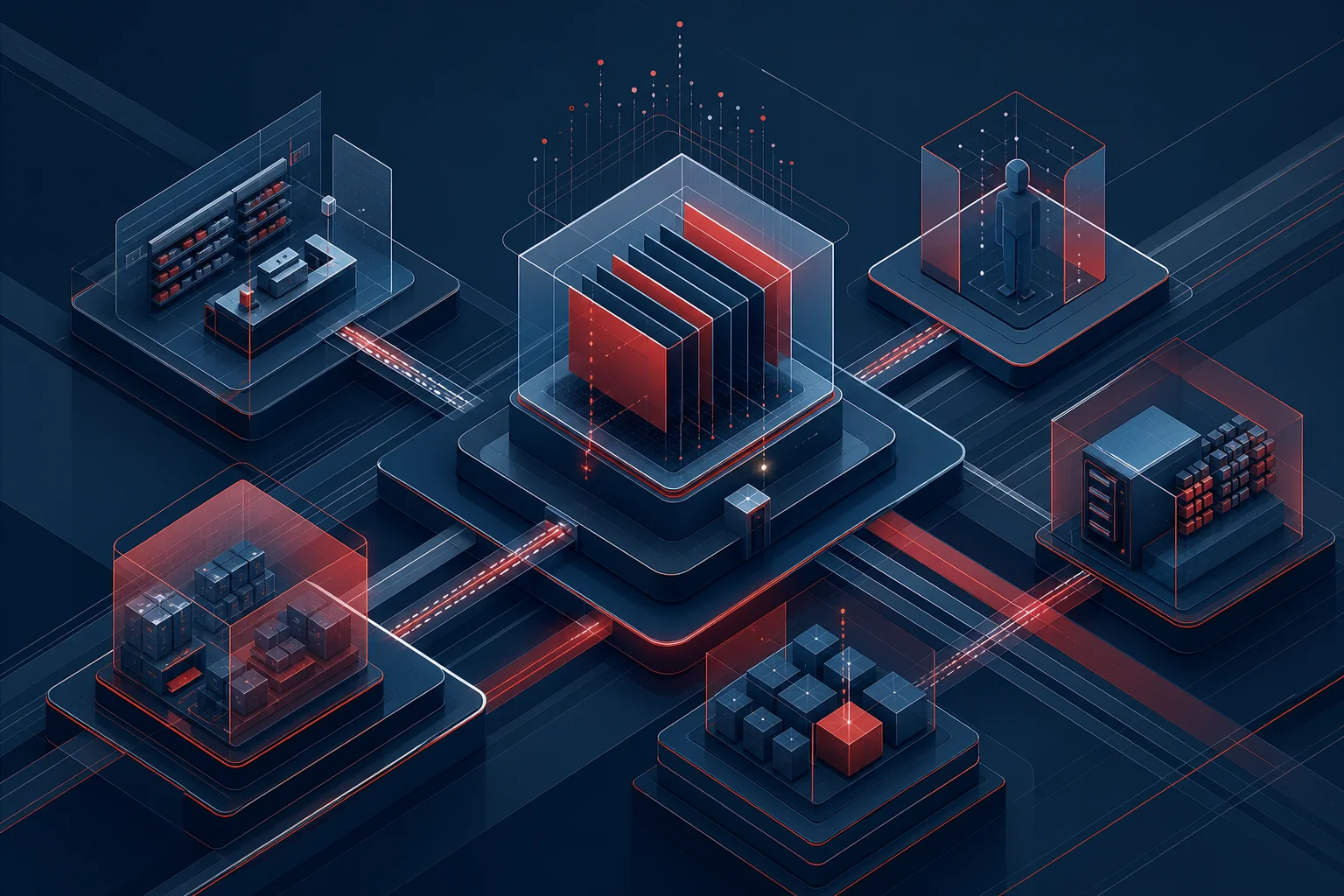
In a world increasingly dominated by artificial intelligence and high-performance computing, the demand for more efficient data centers has never been greater. Enter Delta Electronics, a company that has consistently been at the forefront of power management and smart green solutions.
At NVIDIA’s GTC 2025 in San Jose, Delta unveiled its latest innovations, promising a future where AI data centers are not only more powerful but also significantly more sustainable.
In the spotlight were Delta’s advanced power and liquid cooling solutions, specifically crafted for NVIDIA-enabled AI and HPC data centers. Such innovations are not just a nod to the growing complexity of AI operations but a necessary step to ensure that the energy demands of the future do not compromise our planet’s ecological balance.
The new Power Capacitance Shelves are particularly noteworthy. Designed to stabilize power supply for AI and cloud computing servers, these shelves incorporate lithium-ion capacitors that offer both high power density and extended hold-up time.
Simply put, they ensure that data centers can handle the massive fluctuations in energy demand typical of AI operations without a hitch. The efficiency of these systems, reaching up to 98%, is a testament to Delta’s commitment to energy conservation.
Another key player in this technological revolution is Delta’s 1.5MW liquid-to-liquid Coolant Distribution Units (CDU). As AI servers become more potent, they also become hotter—literally.
Effective thermal management is crucial, and Delta’s liquid cooling solutions, with their high capacity and industry approval, are designed to tackle this challenge head-on. The integration of Cold Plate Loops and other cooling technologies ensures that next-generation GPUs and CPUs can operate at peak performance without overheating.
This is a critical requirement as data centers push past traditional capacity limits. However, Delta’s showcase wasn’t solely about raw power and cooling prowess.
The company’s AI-based Smart Manufacturing Demo Line, developed in concert with NVIDIA Omniverse and Isaac Sim platforms, provides a glimpse into the future of manufacturing. Here, Delta demonstrates how cyber-physical integration can enhance production processes, achieving seamless automation and flexibility.
The D-Bot cobots, along with other AI-driven tools, facilitate dynamic production line management and optimization, highlighting the potential for AI to revolutionize industries beyond data centers.
Ping Cheng, Delta’s Chairman and CEO, summed it up perfectly: “Delta strives to collaborate with our customers to provide smart and energy-efficient solutions capable of accelerating the development of the AI industry while fostering sustainability.” This mission statement speaks volumes about the company’s vision—not just for technology, but for its role in a more sustainable future.
As the curtain falls on NVIDIA GTC 2025, Delta’s innovations stand as a beacon of what the future holds. They remind us that while AI continues to evolve, so must our approach to managing the resources it consumes.
With its cutting-edge solutions, Delta is not just keeping pace with technological advancements; it is setting the stage for a smarter, greener tomorrow.
-
Frank DiBernardo handles LNGFRM's Foodie and Miscellaneous writing tasks. He's always getting ideas from users, so don't be afraid to send an email to the editor.