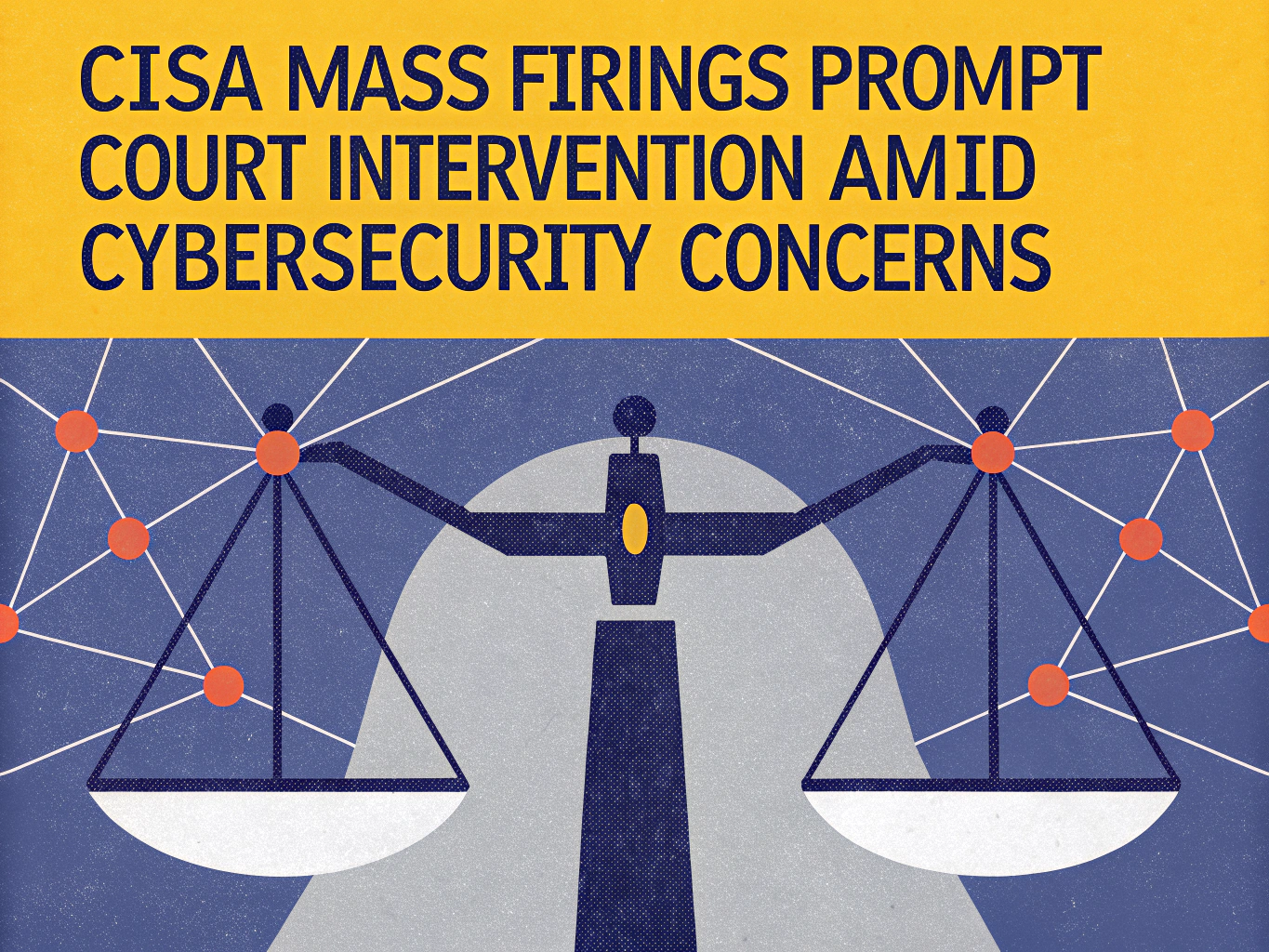
In a dramatic turn of events, the Trump administration finds itself backtracking on a sweeping set of dismissals that shook the nation’s top cyber defense agency, the Cybersecurity and Infrastructure Security Agency (CISA).
In a saga that has been dubbed the “Valentine’s Day Massacre,” over 130 probationary employees were abruptly informed last month that they were “not fit” for employment — a move that many saw as both abrupt and perplexing.
It seems the ax fell with little warning, slicing through more than 4% of CISA’s workforce and leaving a trail of confusion and outrage.
Among those caught in the crossfire were some of the nation’s most skilled cybersecurity experts, including threat hunters, incident response team members, and even disabled veterans.
The mass firing raised eyebrows not just for its scale but for its apparent lack of consideration for the critical roles these individuals played in protecting national security.
The sudden dismissals, carried out via a form-letter email, left many questioning the reasoning behind such a drastic measure.
The explanation that these employees’ “ability, knowledge, and skills do not fit the Agency’s current needs” struck many as insufficient, especially given the high stakes of cybersecurity in today’s digital age.
If anything, the incident has served as a stark reminder of the precarious nature of employment within government agencies, where shifts in administration can lead to unexpected and sweeping changes.
However, a recent court order by Maryland U.S. District Judge James Bredar has turned the tide.
The ruling demanded the reinstatement of these probationary employees, albeit with a caveat: while the mass firing itself was halted, the government still retains the right to lawfully terminate these employees under certain conditions, such as a reduction in force or for specific cause.
The affected employees, now on paid administrative leave, have been given a lifeline.
Yet, the path forward is fraught with uncertainty.
Many have already returned their work equipment and are left wondering if backpay or other compensations will be forthcoming.
The temporary restraining order, set to expire on March 27, leaves a narrow window for resolution — unless further court action extends this deadline.
The situation paints a picture of a workforce caught between shifting political landscapes and the ever-present demands of national security.
As CISA scrambles to individually contact impacted employees, the broader implications of this mass firing cannot be overlooked.
It raises questions not just about the stability of federal employment, but about the prioritization of cybersecurity in an era where digital threats loom large.
As the dust settles, one thing remains clear: the employees of CISA, and indeed those across the 18 federal agencies affected, are more than mere cogs in the bureaucratic machine.
They are frontline defenders in the digital realm, and their treatment — both past and present — will undoubtedly have a lasting impact on the morale and effectiveness of the nation’s cyber defenses.
As the administration grapples with the fallout, it is a stark reminder that in the realm of national security, the human element is just as critical as the technological.
-
Frank DiBernardo handles LNGFRM's Foodie and Miscellaneous writing tasks. He's always getting ideas from users, so don't be afraid to send an email to the editor.