In the high-stakes world of technology and innovation, few names carry as much weight as Google.
Yet, even giants occasionally stumble, and the current antitrust trial in Washington is proving to be a formidable hurdle for the tech behemoth.
At the heart of this legal battle lies an intriguing question: how much power is too much power for one company to wield?
The Justice Department, supported by a coalition of state attorneys general, is pushing for significant changes to Google’s operations, including the sale of its Chrome browser. For more details on the trial itself, refer to this Wikipedia page.
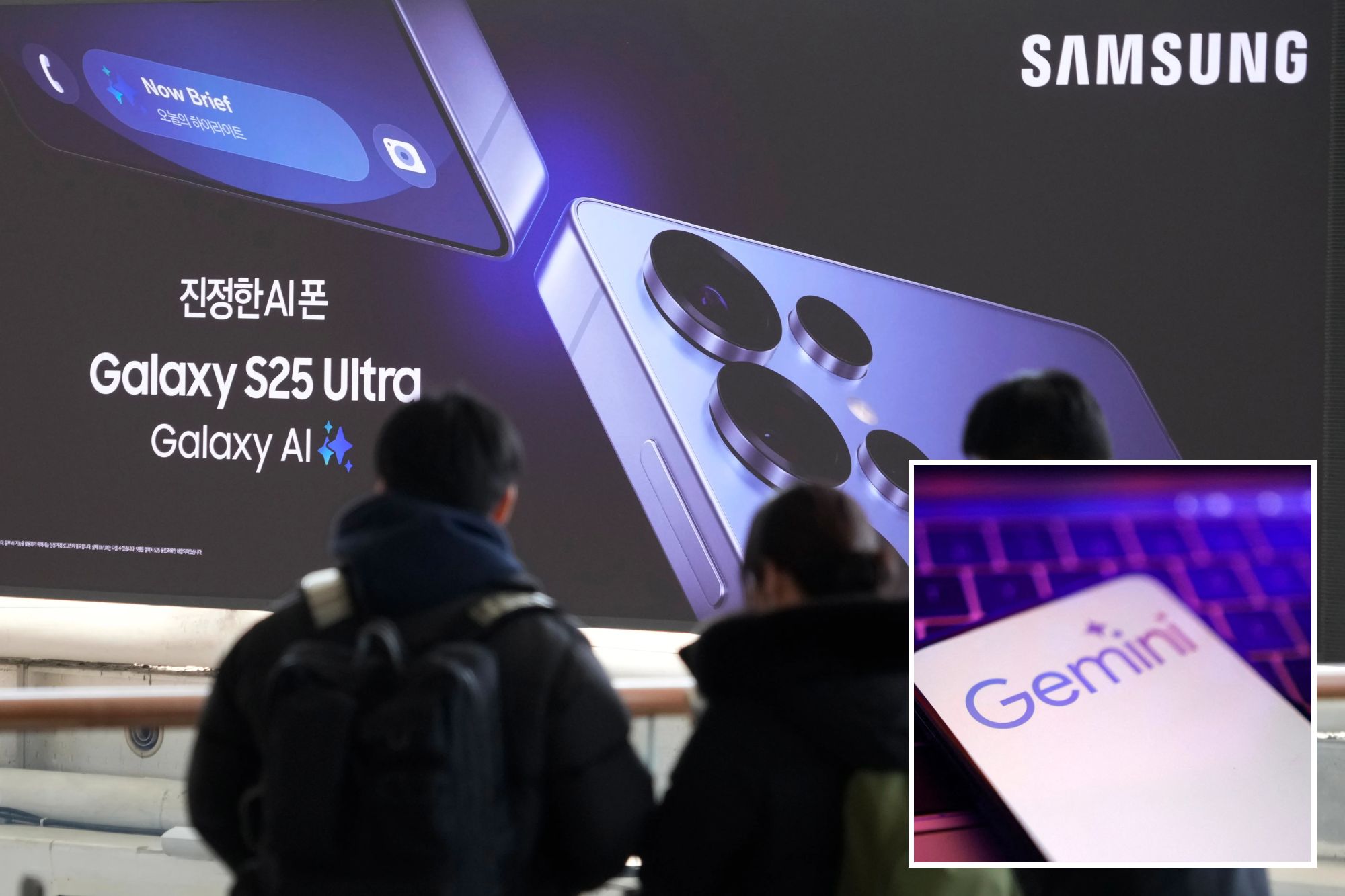
The argument hinges on the assertion that Google has long maintained a stranglehold over online search and advertising markets, allegedly through a series of exclusive agreements with major players like Samsung. You can read about some implications of this in a recent article here.
The trial has unearthed revelations that last year Google considered striking deals with Android manufacturers, offering exclusivity not only for its famed search app but also for its Gemini AI app and Chrome browser. An article discussing these exclusivity deals can be found here.
This strategic maneuver, seen by some as a natural business tactic to secure market dominance, is viewed by others as a monopolistic overreach that stifles competition and innovation.
US District Judge Amit Mehta previously ruled that Google had indeed protected its search monopoly through arrangements ensuring its search engine was the default on new devices. For more information on the DOJ’s prevailing case, check this link.
In response, Google has taken steps to loosen these agreements, evidenced by a new non-exclusive deal with Samsung that allows for alternative search products.
The core of the trial, however, isn’t just about search engines and browsers.
It’s about the future—specifically, the burgeoning field of artificial intelligence.
Prosecutors argue that Google’s entrenched position in the search market could unfairly advantage its AI products, creating yet another avenue for Google to steer users back to its search engine. More about the implications for AI can be found in this article: source.
This is particularly concerning as AI continues to reshape the digital landscape, with competitors like OpenAI’s ChatGPT striving to carve out their own space.
The anticipation is palpable as Nick Turley, ChatGPT’s head of product, is slated to testify.
His insights could shed light on how Google’s exclusive arrangements affect the distribution and development of AI technologies.
While Google maintains that the trial is not about AI and points to competition from other tech giants like Meta Platforms, the implications for the AI sector are undeniable.
As the trial unfolds, the tech world watches closely.
The outcome could redefine the boundaries of corporate power in the digital age, influencing how technology companies strategize and innovate.
For Google, the stakes are immense, with its business practices and future strategies under intense scrutiny.
This case serves as a potent reminder of the delicate balance between fostering innovation and maintaining fair market competition—a balance that will shape the future of technology and society alike.
-
Frank DiBernardo handles LNGFRM's Foodie and Miscellaneous writing tasks. He's always getting ideas from users, so don't be afraid to send an email to the editor.