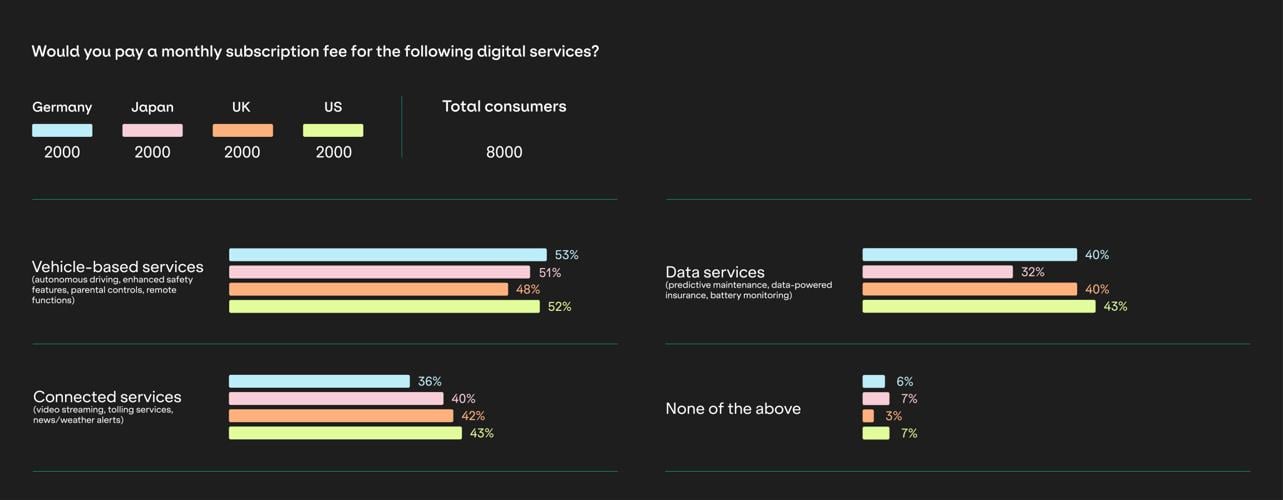
In an era where vehicles are rapidly evolving from mere modes of transportation to sophisticated digital devices, a recent study by Cubic3 has shed light on a pressing concern shared by both consumers and manufacturers: vehicular cybersecurity.
This Dublin-based research highlights that half of the consumers are apprehensive about their vehicles being vulnerable to hacking.
This anxiety has become a critical issue for Original Equipment Manufacturers (OEMs), who now view connectivity as integral to vehicle safety.
As car manufacturers continue to innovate, weaving intricate digital threads into the fabric of modern vehicles, they are faced with a complex challenge.
The shift towards vehicles defined by software (SDV) brings with it a dual-edged sword.
On one hand, it offers unprecedented opportunities for enhanced safety features, predictive maintenance, and even autonomous driving capabilities.
On the other, it raises the stakes in terms of cybersecurity threats, making the car a potential target for cybercriminals.
The research by Cubic3, a leading force in providing solutions for software-defined vehicles, underscores the importance of addressing these cybersecurity concerns head-on.
The findings suggest that OEMs must not only focus on the technological advancements that come with increased connectivity but also prioritize the development of robust security measures.
This dual focus is not just a precaution; it is a necessity in reassuring consumers who are increasingly wary of the digital vulnerabilities that come with their smart cars.
The implications of this study extend beyond mere statistics.
It paints a picture of a future where the line between technology and traditional manufacturing is blurred.
Cars are no longer just mechanical wonders; they are becoming platforms for digital innovation.
As such, OEMs are urged to adopt a holistic approach that incorporates cybersecurity as a core component of their design and development processes.
This means investing in cutting-edge security technology, fostering partnerships with cybersecurity experts, and continuously updating their systems to fend off potential threats.
For consumers, the promise of digital services such as predictive maintenance and autonomous driving is tantalizing.
These advancements promise not only convenience and efficiency but also the potential to significantly enhance road safety.
Predictive maintenance, for example, can preemptively alert drivers to potential issues, reducing the likelihood of breakdowns and accidents.
Autonomous driving, though still in its nascent stages, holds the promise of reducing human error, which is a leading cause of accidents.
However, these benefits come with their own set of challenges.
The more interconnected cars become, the more entry points there are for cyber intrusions.
Consumers are justified in their concerns, as a hacked vehicle could lead to dire consequences, both in terms of privacy and physical safety.
The onus is, therefore, on OEMs to implement stringent security protocols to protect not only the software but the consumers themselves.
The Cubic3 study acts as a wake-up call for the automotive industry.
While the race to innovate and integrate digital services is in full throttle, the focus must simultaneously be on fortifying the defenses against potential cyber threats.
This requires a paradigm shift in how vehicles are perceived and produced.
Manufacturers must embed security into the DNA of their products, ensuring that every digital feature is shielded by robust cybersecurity measures.
In conclusion, the journey towards a fully connected automotive future is fraught with both opportunities and hurdles.
As OEMs forge ahead with digital innovations, they must remain vigilant and proactive in addressing the cybersecurity concerns that accompany these advancements.
By doing so, they not only safeguard their consumers but also build trust and confidence in the burgeoning realm of smart vehicles.
The findings of the Cubic3 study serve as a crucial reminder that in the world of modern vehicles, connectivity and security must go hand in hand.
-
Frank DiBernardo handles LNGFRM's Foodie and Miscellaneous writing tasks. He's always getting ideas from users, so don't be afraid to send an email to the editor.