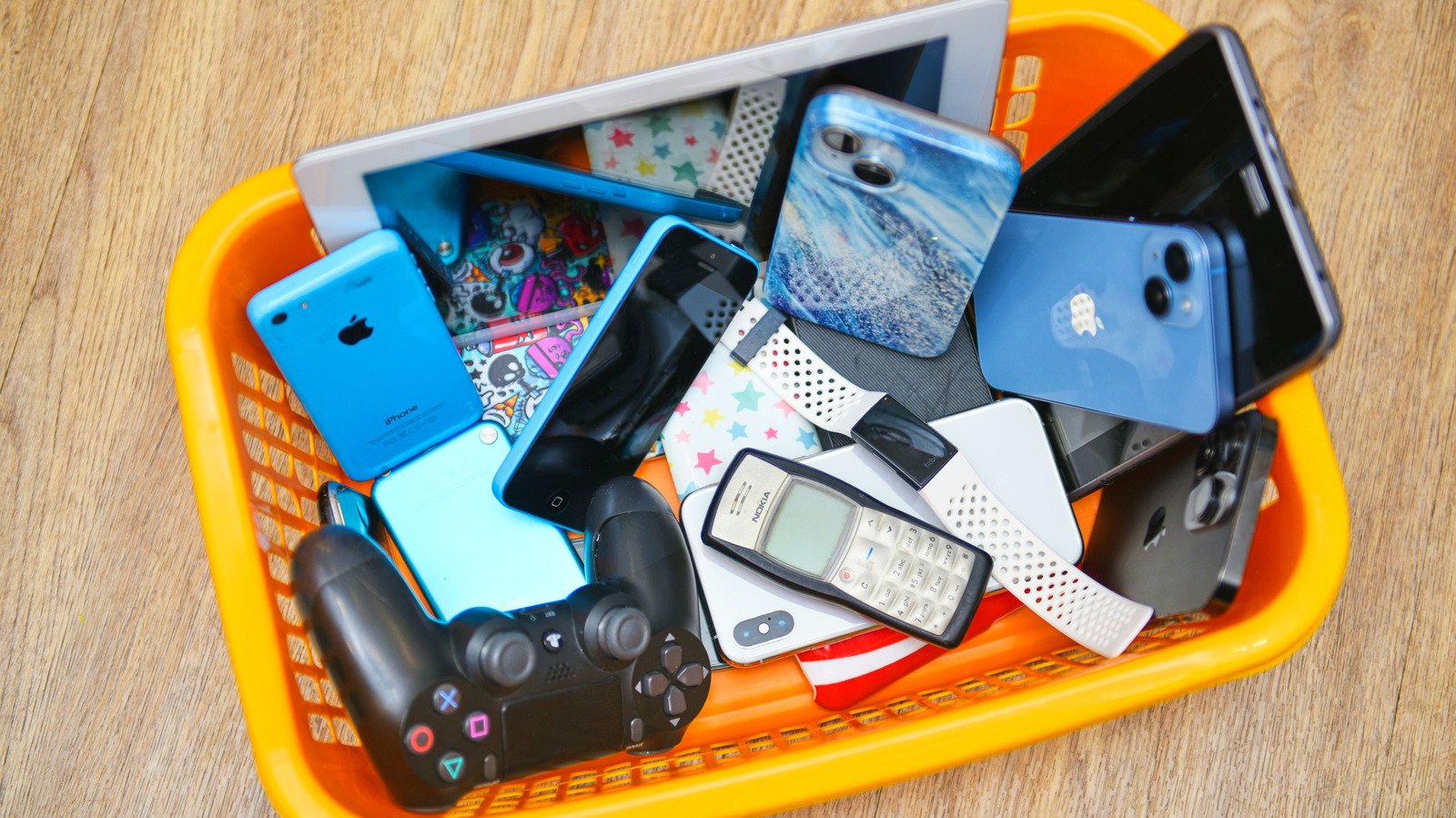
In a world increasingly dominated by technology, the question of what to do with our outdated electronics has become more pressing than ever. As shiny new smartphones and gadgets flood the market each year, the fate of our old devices looms large.
While some hand-me-downs find a second life with friends or family, and a few lucky gadgets get repurposed as makeshift media centers, many end up in the trash. This disposal method, however, poses a serious threat to both our environment and our health.
The issue with electronic waste, or e-waste, is multi-faceted. For starters, e-waste contains hazardous substances like heavy metals, which, if not disposed of correctly, can contaminate soil and water or pollute the air when incinerated. The Growing Environmental Risks of E-Waste highlights these concerns.
Moreover, devices containing lithium-ion batteries pose a fire hazard if not disposed of properly. Beyond the immediate environmental concerns, there’s an economic angle as well. Discarding electronics means losing the opportunity to reclaim valuable materials like gold and copper, which could be reused, reducing the need for mining raw materials. The EPA’s guidance on recycling electronics outlines safe disposal methods.
In response to this growing problem, 28 U.S. states, including heavyweights like California, New York, and Texas, have enacted e-waste legislation making it illegal to discard old electronics in the trash. A map of states with e-waste legislation provides a comprehensive overview.
These laws are more than a mere formality; they’re crucial steps toward addressing the United States’ status as the second-largest producer of e-waste globally, trailing only China. In 2022 alone, the U.S. generated nearly 16 billion pounds of e-waste, according to the UN Institute for Training and Research.
The legislative landscape, however, is not uniform. The specifics of what is covered under e-waste laws vary from state to state. Take California’s Electronic Waste Recycling Act (EWRA), for example. This law prohibits the disposal of several devices with screens larger than four inches. This includes a wide array of products, from CRT TVs and computer monitors to tablets and cell phones. Oregon, on the other hand, has chosen to expand its reach with the Oregon E-Cycles program, set to take effect in January 2026, which will include items like game consoles and routers.
Texas offers another approach, focusing specifically on TVs and computers, including their accessories like monitors and keyboards. Meanwhile, in Washington state, while TVs, computers, laptops, and monitors cannot be discarded, other peripherals like keyboards and mice are not covered by the state’s E-Cycle program.
The way consumers are expected to dispose of their electronics also varies by state. In New York, for instance, a consumer purchasing new electronic equipment can return an old device of the same type at the store, regardless of brand. Manufacturers in New York are also mandated to accept devices for recycling at no charge, providing a convenient route for consumers to dispose of their e-waste responsibly. Similarly, Hawaii has set up dedicated collection services in every county, with options ranging from drop-off sites to paid pickups and collection events. Recycling electronics benefits the environment.
Interestingly, the District of Columbia adds another layer to these efforts by organizing Household Hazardous Waste events, allowing residents to dispose of e-waste in a controlled environment a few times a year. While states like New Hampshire, Massachusetts, and Colorado may not have comprehensive e-waste recycling laws, they have made it illegal to discard certain electronics in landfills and incinerators. The Environmental Impact of E-Waste emphasizes the urgency of these laws.
This patchwork of laws reflects a growing recognition of the need to manage e-waste responsibly, even as approaches differ. The drive to legislate e-waste disposal is not just about environmental stewardship; it’s about creating sustainable practices that can mitigate the impact of our tech-driven lives.
By enforcing these laws, states are not only protecting the environment but also ensuring that valuable materials can be reclaimed and reused. This legislative push is a crucial step toward a more sustainable future, where technology and environmental responsibility go hand in hand.
As consumers, being aware of and participating in these programs is just as vital as the laws themselves. By recycling our old electronics, we contribute to a cleaner planet and a more sustainable use of resources, aligning our tech-savvy lifestyles with a commitment to environmental health. For more information on how to dispose of lithium-ion batteries, visit EPA guidance on used lithium-ion batteries.
-
Frank DiBernardo handles LNGFRM's Foodie and Miscellaneous writing tasks. He's always getting ideas from users, so don't be afraid to send an email to the editor.