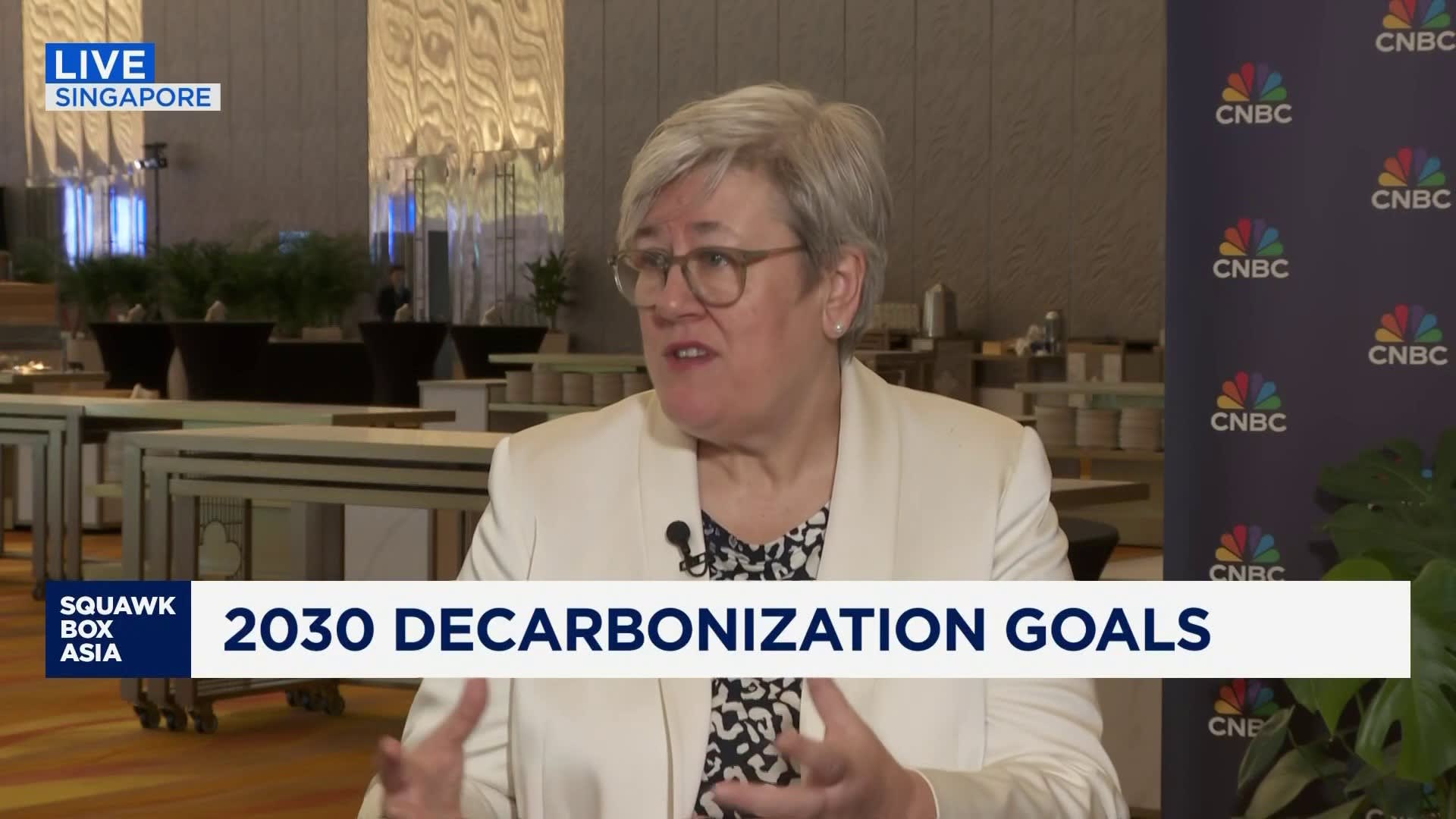
As the world grapples with the dual challenges of combating climate change and meeting increasing energy demands, Rachel Kyte, the Special Representative for Climate for the United Kingdom, has shared her insights on an intriguing paradox: the burgeoning growth of artificial intelligence (AI) is simultaneously straining global energy resources and offering promising solutions to the climate crisis.
Kyte’s perspective sheds light on a critical issue at the intersection of technology and sustainability.
On one hand, the proliferation of AI technologies demands substantial computational power, leading to increased energy consumption.
Data centers, the backbone of AI operations, are notorious for their insatiable appetite for electricity.
Some estimates suggest they could soon consume more than 10% of the global energy supply if current trends continue.
This raises an eyebrow in the environmental community, as the carbon footprint of these facilities is far from negligible.
However, Kyte argues that AI is not merely an energy-hungry beast; it is also a formidable tool in the fight against climate change.
The same computational prowess that drives AI’s energy consumption can be harnessed to optimize energy usage across various sectors.
AI algorithms can analyze vast datasets to improve energy efficiency in industries, optimize supply chains, and even predict and mitigate the adverse effects of climate change.
For instance, AI-driven models can forecast extreme weather events with greater accuracy, allowing for better preparedness and response strategies.
In her role as a climate envoy, Kyte emphasizes the importance of international collaboration, particularly with key Asian allies, to address these challenges.
Asia is home to some of the largest and fastest-growing economies in the world, many of which are heavily reliant on coal and other fossil fuels.
By working together, countries can share technological advancements and develop joint initiatives to reduce emissions and transition to cleaner energy sources.
Kyte also highlights the rise of green investments as a crucial part of the solution.
The financial sector is increasingly recognizing the importance of sustainability, with investors pouring money into renewable energy projects and environmentally friendly technologies.
This trend not only supports the development of cleaner energy sources but also drives innovation, making sustainable solutions more accessible and cost-effective.
Yet, the journey towards a sustainable future is fraught with complexities.
The development and deployment of AI technologies come with ethical and regulatory challenges.
The balance between leveraging AI for climate solutions and managing its energy demands requires careful consideration and strategic planning.
Governments, industry leaders, and technologists must collaborate to establish guidelines that promote sustainable AI development while mitigating its environmental impact.
Kyte’s insights underscore the need for a holistic approach to addressing climate change.
It is not enough to develop technologies in isolation; the broader impact on the environment and society must be considered.
This requires a shift in mindset from short-term gains to long-term sustainability, where economic growth is aligned with ecological preservation.
Moreover, education and public awareness play a pivotal role in this transition.
By fostering a deeper understanding of the interconnections between AI, energy consumption, and climate change, individuals and communities can make informed decisions that contribute to a more sustainable future.
This includes advocating for policies that support renewable energy, investing in energy-efficient technologies, and holding companies accountable for their environmental impact.
As the dialogue around AI and climate change continues, Rachel Kyte’s comments serve as a timely reminder of the urgency and complexity of the challenges at hand.
The path forward requires innovation, cooperation, and commitment from all sectors of society.
While AI poses significant energy challenges, it also offers unprecedented opportunities to create a more sustainable world.
The choice is ours to make, and the time to act is now.
-
Frank DiBernardo handles LNGFRM's Foodie and Miscellaneous writing tasks. He's always getting ideas from users, so don't be afraid to send an email to the editor.