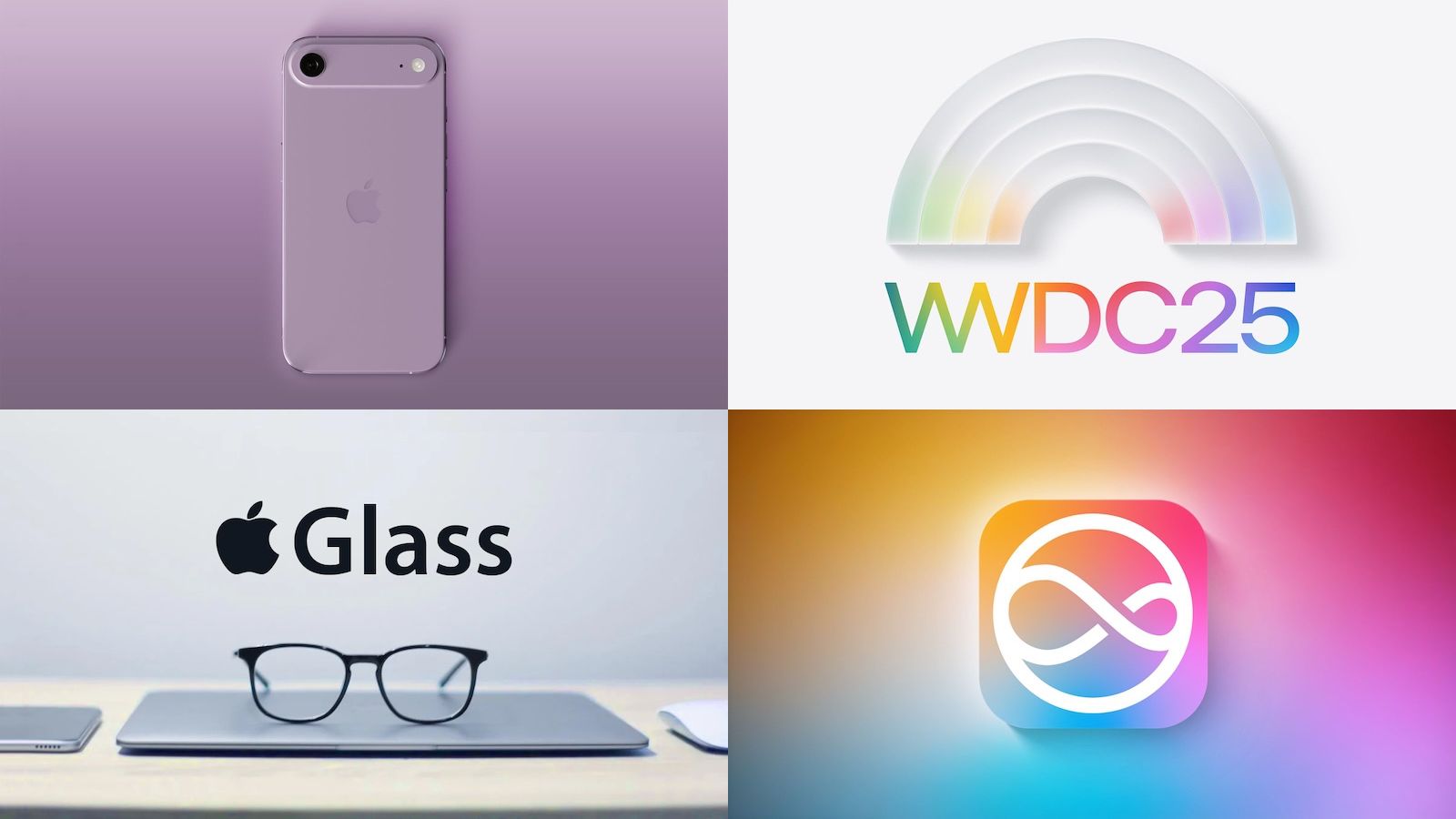
In a whirlwind of technological advancements and strategic partnerships, Apple’s latest ventures are capturing the imaginations of tech enthusiasts worldwide.
As the Worldwide Developers Conference (WWDC) is on the horizon, whispers of upcoming hardware and software innovations are making waves, setting the stage for a future that seems straight out of a sci-fi novel.
This year, Apple aficionados are eagerly anticipating the debut of the ultra-thin iPhone 17 Air, a device that promises to deliver the sleekest design yet without compromising on performance.
According to a reliable source, the iPhone 17 Air will weigh in at a svelte 145 grams, comparable to the iPhone SE or iPhone 13 mini.
This new model is rumored to come equipped with a 2,800mAh battery, paralleling the capacity of the iPhone 12.
Yet, with Apple’s potential integration of high-density battery technology, users might see a significant boost in battery performance, potentially increasing capacity by 15%.
This development could represent a significant leap forward in balancing form and function in Apple’s flagship device.
Meanwhile, as Apple prepares to launch its much-discussed smart glasses, the tech giant finds itself in a competitive landscape.
Google’s recent unveiling of smart glasses with Gemini integration sets the stage for a head-to-head battle with Apple and Meta’s Ray-Ban collaboration.
While Apple’s initial smart glasses may not provide a full augmented reality experience, they are expected to include powerful AI capabilities, cameras, and microphones, offering advanced features similar to the visual intelligence seen in the latest iPhone models.
This could redefine how users interact with their environment, with Apple aiming for a launch by the end of 2026.
In the realm of artificial intelligence, Apple’s next-generation Siri is reportedly poised to rival the likes of ChatGPT.
Internally dubbed “LLM Siri,” the new model is said to be on par with leading AI chatbots, though a full transition to this new architecture is still a few years away.
This cautious approach is a nod to Apple’s past, where premature announcements have led to public relations challenges.
As Apple continues to refine its AI capabilities, the tech community is keenly observing how the company plans to integrate these advancements into its broader ecosystem.
Adding to the excitement is the resurgence of Fortnite on the U.S. App Store.
After a prolonged absence due to legal disputes between Apple and Epic Games, the popular game has finally made its return, soaring to the top of the App Store charts.
The decision came after a judge suggested that the ongoing legal battle might require Apple’s app decision overseer to appear in court, prompting a resolution.
This development highlights the complex interplay between tech giants and app developers, a dynamic that continues to shape the digital landscape.
In a move that could potentially reshape the future of computing, former Apple design chief Jony Ive has joined forces with OpenAI.
Through the acquisition of Ive’s startup, io, for a staggering $6.5 billion, OpenAI aims to create a revolutionary family of AI-driven devices.
These devices, envisioned as a “third core device” to complement phones and laptops, could redefine how we interact with technology.
The concept suggests a wearable, unobtrusive device reminiscent of a neck-worn iPod shuffle, promising to seamlessly integrate into daily life.
As the tech world eagerly anticipates the WWDC, Apple’s announcements are expected to include not just hardware innovations but also significant software updates.
The unveiling of macOS 16 is highly anticipated, with rumors suggesting design changes for a more unified interface across Apple products.
Integration with Google’s Gemini as an alternative to ChatGPT and a suite of accessibility improvements are also on the docket, promising a more cohesive and inclusive user experience.
In sum, Apple is not just shaping its future but also the landscape of technology as we know it.
Whether through innovative hardware like the iPhone 17 Air and smart glasses or strategic partnerships aimed at advancing AI, the company’s vision for a tech-driven future is both ambitious and exhilarating.
As we look forward, these developments suggest a world where technology is not just a tool but an integral part of human experience, seamlessly woven into the fabric of daily life.
-
Frank DiBernardo handles LNGFRM's Foodie and Miscellaneous writing tasks. He's always getting ideas from users, so don't be afraid to send an email to the editor.