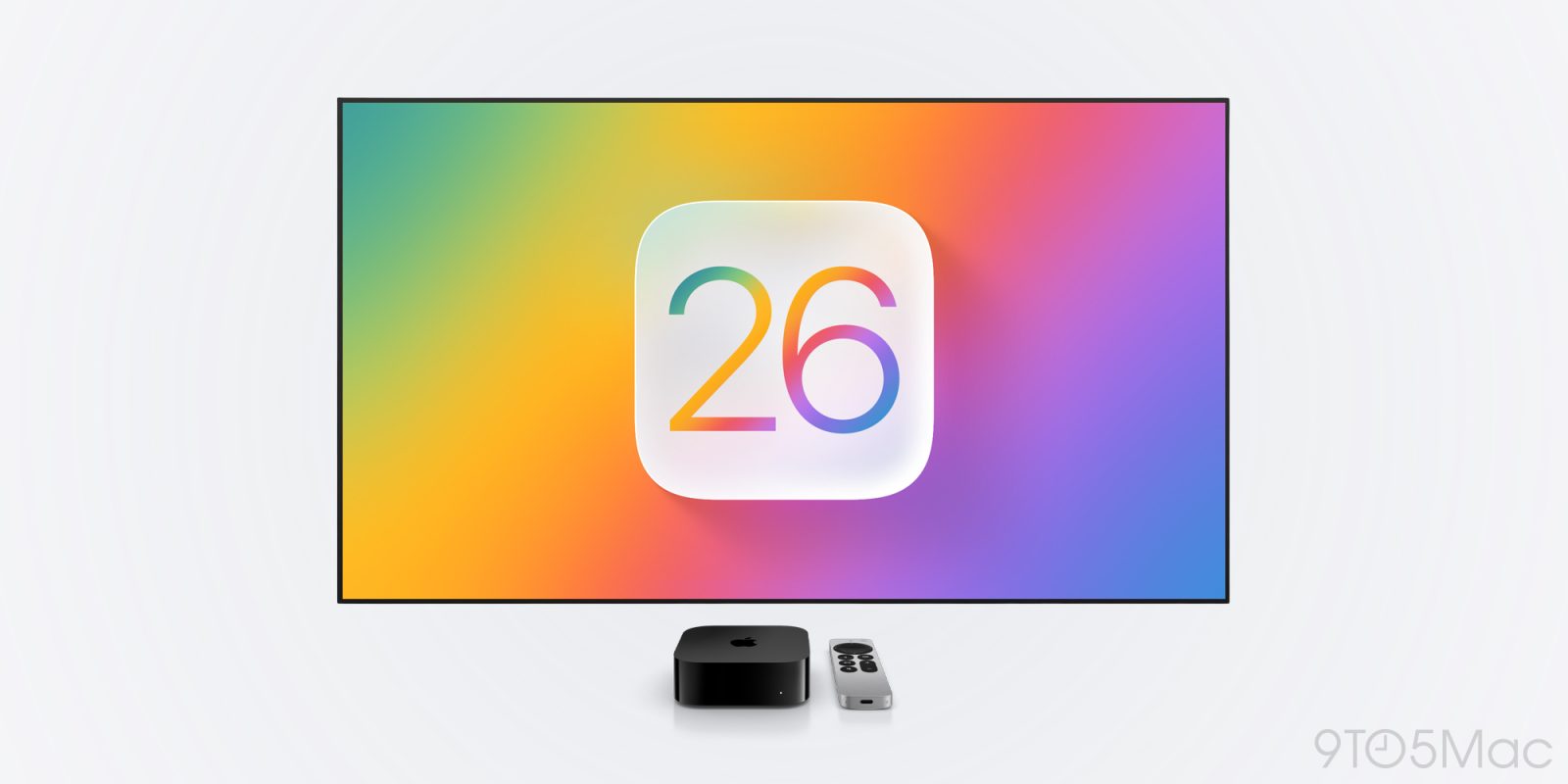
As the annual Worldwide Developers Conference looms large, the quiet anticipation for Apple’s next software revelations is reaching a crescendo.
While the spotlight often shines brightest on iOS and macOS, there’s a compelling narrative unfolding around a less heralded, yet increasingly pivotal, player in the Cupertino giant’s ecosystem: the Apple TV 4K.
This year, with the burgeoning success of Apple TV+ firmly established, the little black box is poised for a significant upgrade, with tvOS 26 expected to unveil a trifecta of features that could subtly, yet profoundly, reshape its role in our living rooms.
Perhaps the most immediately striking change will be aesthetic.
tvOS 26 is slated to adopt a fresh, unified design language, echoing the “glassy elements” and refreshed UI that will reportedly grace iOS 26, macOS 26, and iPadOS 26.
This isn’t merely a cosmetic tweak; it’s a deliberate strategic move by Apple to create a seamless visual continuity across its entire software portfolio.
Inspired by the spatial grandeur of visionOS, this new look promises to infuse the Apple TV interface with a modern, sophisticated sheen, making navigation feel more intuitive and visually cohesive with the devices we interact with daily.
While the most dramatic overhauls are likely reserved for handheld and desktop platforms, the Apple TV 4K’s embrace of this cross-platform aesthetic signifies its growing importance as a central hub in Apple’s interconnected world.
It’s a testament to the idea that every screen, regardless of size, should feel like an extension of the same intelligent, beautifully designed system.
Beyond the visual facelift, Apple is making a clear play for the casual gaming market with the introduction of a dedicated ‘Games’ app.
This isn’t just an aggregation; it’s a strategic consolidation of existing Game Center and App Store functionalities into a singular, more robust hub.
Imagine a place where all your tvOS games reside, easily discoverable through curated editorial content, where your hard-earned achievements are proudly displayed, and where social features like leaderboards beckon you to challenge friends.
This move underscores Apple’s ambition to elevate gaming across its platforms, transforming the Apple TV 4K from a mere streaming device into a more legitimate, if still casual, gaming console.
For years, Apple Arcade has offered a treasure trove of titles, but discovery and engagement on the big screen have often felt fragmented.
This new Games app promises to streamline the experience, potentially unlocking a new wave of engagement for Apple’s gaming ecosystem and making the Apple TV a more enticing proposition for family entertainment.
Then there’s the quality-of-life improvement that will undoubtedly elicit a collective sigh of relief from anyone who’s ever wrestled with connecting their Apple TV to public Wi-Fi.
Mark Gurman’s reliable reporting suggests iOS 26 will introduce captive Wi-Fi network sync, a feature that allows you to log into a network on one device – be it your iPhone, iPad, or Mac – and instantly gain access across all your Apple devices.
Crucially, this functionality is expected to extend to tvOS 26.
For Apple TV users, this is nothing short of a godsend.
Currently, connecting an Apple TV to a captive portal (think hotel Wi-Fi or dorm networks) is a convoluted, often frustrating process, given its lack of a web browser.
This new sync feature promises to bypass that headache entirely, making the Apple TV far more portable and versatile for those who travel or live in shared network environments.
It’s a subtle yet significant enhancement that speaks volumes about Apple’s commitment to ironing out the everyday friction points in its user experience.
The elephant in the room, of course, is artificial intelligence.
While generative AI is dominating tech conversations, the full breadth of Siri’s AI upgrades on the Apple TV 4K might not arrive with tvOS 26 next week.
The prevailing wisdom suggests that the most power-hungry, large language model-driven AI features will likely require new Apple TV 4K hardware, which isn’t expected until later in the year.
While it’s always possible Apple could tease an updated Siri UI or introduce some less resource-intensive AI enhancements, the truly transformative AI capabilities, the kind that might redefine how we interact with our living room hub, appear to be a longer-term play.
This managing of expectations is crucial; Apple is known for delivering polished experiences, and if the hardware isn’t ready to fully support a seamless AI integration, they’ll likely hold back rather than release a subpar version.
These rumored features, while significant, hopefully represent just a glimpse of what’s truly in store for tvOS 26.
With Apple TV+ continuing its ascent, many users, myself included, are eager for a more intuitive and user-friendly revamp of the core Apple TV app itself.
The current interface, while functional, could certainly benefit from a more streamlined approach to content discovery and library management, especially as Apple’s own streaming service expands its cinematic footprint.
As the days tick down to the big reveal, the anticipation isn’t just about new features; it’s about seeing how Apple intends to evolve its living room strategy, making the Apple TV 4K an even more indispensable part of our connected homes.
-
Frank DiBernardo handles LNGFRM's Foodie and Miscellaneous writing tasks. He's always getting ideas from users, so don't be afraid to send an email to the editor.