In the relentless digital churn that defines our modern existence, few headlines incite panic quite like the specter of a massive data breach.
Last week, whispers turned into shouts, then a full-blown roar across the internet: 16 billion passwords leaked, the “largest ever data breach,” supposedly laying bare the most coveted digital keys – those guarding our Apple and Google accounts.
The sheer scale of it was designed to induce a cold sweat, a primal fear for our online lives.
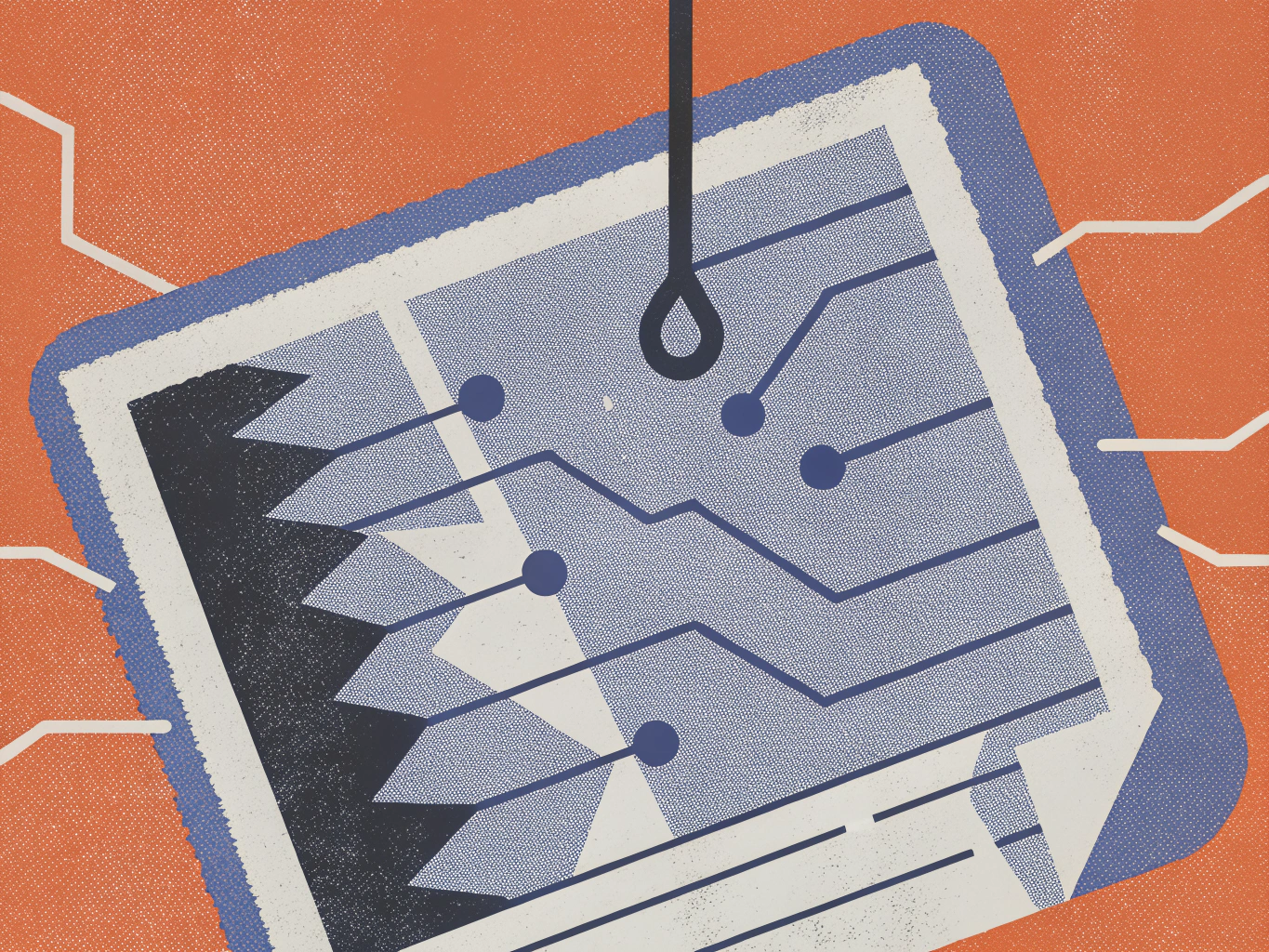
But here’s the insidious truth: the real danger wasn’t the breach itself, but the chillingly effective way cybercriminals are weaponizing our fear.
Let’s be unequivocally clear: there has been no new, singular data breach that has compromised Apple, Google, Microsoft, or Facebook accounts in the way the headlines imply.
The “16 billion passwords” figure is, in essence, a sophisticated mirage – an amalgamation of old, disparate data leaks, combined with information harvested by insidious “infostealer” malware lurking on unsuspecting personal computers.
It’s a Frankenstein’s monster of old vulnerabilities, stitched together to create a new narrative of widespread panic.
Yet, for the average user, sifting through the nuances of cybersecurity jargon is a luxury few can afford when faced with such alarming pronouncements.
The result? Understandable, widespread anxiety.
And this anxiety, dear reader, is precisely the jackpot cybercriminals have been waiting for.
There is nothing a digital predator relishes more than a highly publicized event, a sudden surge of fear, and an urgent call to action.
With the public primed by breathless headlines, a new wave of attacks is sweeping across the digital landscape, preying on our inherent trust in familiar brands and our desperate need for security.
We are now seeing a surge in sophisticated phishing attempts.
Emails and texts, crafted with alarming plausibility, are landing in inboxes and on phone screens, masquerading as urgent alerts from Apple, Google, Microsoft, or Facebook.
These messages don’t just warn of the “breach”; they often link directly to the very headlines that fueled the initial panic, lending them an air of legitimacy.
And then, with a seemingly helpful hand, they offer a solution: a conveniently placed “password reset link” or a “helpline number to call.”
This is where the trap snaps shut.
These links lead not to legitimate security pages, but to meticulously crafted replicas designed to siphon off your credentials.
The “helpline numbers” connect you not to customer support, but to fraudsters eager to extract personal information or even direct access to your accounts.
We’ve already witnessed multiple, aggressive campaigns targeting Apple and Google users, with fake support emails, phone calls, and texts falsely claiming accounts are compromised and immediate password resets are required.
These recent headlines have been a surprise gift, a golden opportunity for these digital con artists.
This brings us to the bedrock principle of digital security, a truth that, if heeded, can serve as an impenetrable shield:
No major tech brand – Google, Apple, Microsoft, Facebook, Amazon, or any other reputable entity – will ever reach out to you unsolicited about an account security problem or to reset a password.
Ever.
This is not a matter of policy; it is an absolute, unbendable rule designed to protect you from social engineering attacks.
As the FBI plainly states, “legitimate customer, security, or tech support companies will not initiate unsolicited contact with individuals.” If you receive any such message or call, regardless of how convincing, how urgent, or how plausible it may appear, it is an attack.
Period.
There is no grey area here.
Google has, in fact, specifically asked journalists to “please reiterate to your readers that Google will not contact you to reset your password or troubleshoot account issues.”
The same holds true for every other major player in the tech world.
It simply never happens.
So, what is the discerning digital citizen to do?
The answer is both simple and profoundly effective.
First and foremost: delete these messages.
Do not click any links.
Do not call any numbers.
Even if a message triggers a genuine concern, resist the urge to engage with it directly.
Instead, if you have any doubt whatsoever about the security of your account, access it using the usual, trusted means.
Open your official app or type the known, legitimate website address directly into your browser.
If there is a genuine password issue, you will be directed to a reset option within the legitimate platform.
Chances are, there won’t be.
Beyond immediate vigilance, the most potent defense against this evolving landscape of digital deception lies in proactive security measures.
Despite what sensational headlines might suggest, the answer is not to embark on a frantic, mass password reset across all your accounts – a futile exercise that often leads to password fatigue and weaker, reused passwords.
The true answer, the digital armor you desperately need, is to enable two-factor authentication (2FA) on all your key accounts.
This is especially critical for those gateways to your digital life: Apple, Google, Microsoft, Facebook, and Amazon.
Even better, where the technology permits, make the switch to passkeys.
Passkeys represent the future of authentication, offering a vastly more secure and user-friendly alternative to traditional passwords.
They are phishing-resistant, tied to your device, and eliminate the need for memorized strings of characters.
A final, crucial piece of advice: while SMS-based 2FA is better than no 2FA, it is the weakest link in the chain.
Text messages can be intercepted or redirected through SIM-swapping attacks.
Where possible, opt for more robust methods such as authenticator apps (like Google Authenticator or Authy), or even physical security keys.
These methods provide a far greater barrier against sophisticated attackers.
In an era where our lives are increasingly intertwined with our digital identities, understanding the true nature of the threats we face is paramount.
The recent “breach” headlines serve as a powerful, albeit misleading, reminder of our digital fragility.
The real lesson, however, is not about a newly compromised vault of passwords, but about the cunning exploitation of our fear.
By recognizing the tell-tale signs of a scam and adopting robust security practices, we can transform ourselves from potential victims into informed, resilient guardians of our own digital sovereignty.
Delete the message.
Protect your accounts.
Your digital life depends on it.
-
Frank DiBernardo handles LNGFRM's Foodie and Miscellaneous writing tasks. He's always getting ideas from users, so don't be afraid to send an email to the editor.