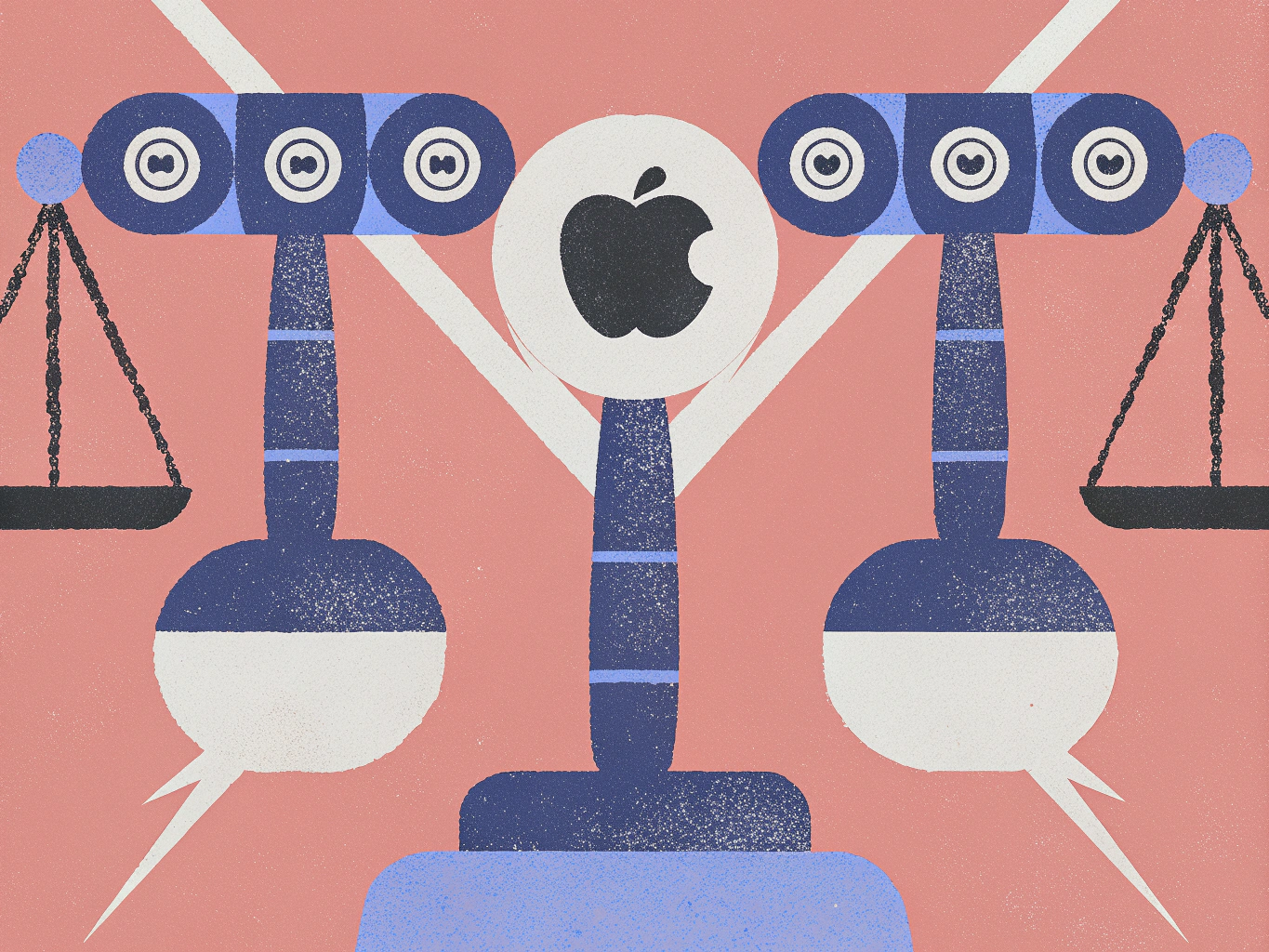
In a significant, albeit partial, victory that reverberates across the global digital economy, Fortnite creator Epic Games has chipped away at the formidable walls erected by tech giants Google and Apple.
An Australian court delivered a ruling Tuesday that found the two behemoths guilty of misusing their immense market power against app developers, thereby breaching Australian competition laws.
While not a sweeping condemnation of all Epic’s claims, this judgment marks a substantial win for those advocating for a more open and equitable app marketplace.
Federal Court Justice Jonathan Beach’s findings were clear: the dominance exercised by Google and Apple in the app market had the tangible effect of substantially lessening competition, a direct violation of Australian legal statutes.
This isn’t merely a legal technicality; it strikes at the heart of the “walled garden” approach that has defined the mobile ecosystem for over a decade.
Developers, the lifeblood of these platforms, have long chafed under restrictive practices, including mandatory in-app payment systems that siphon off a significant portion of their revenue.
The court recognized that both companies exerted undue pressure on app developers, including Epic, compelling them through contracts and technology to exclusively sell their digital wares through the two dominant app stores.
However, the verdict wasn’t an unmitigated triumph for Epic.
Justice Beach prudently rejected some of Epic’s more aggressive claims, notably allegations that Google and Apple engaged in “unconscionable conduct” as defined by Australian law.
This nuanced outcome underscores the complexity of these legal battles, where the line between aggressive business practices and outright misconduct can be finely drawn.
It suggests that while the court found a breach of competition laws, it stopped short of labeling the tech giants’ behavior as morally reprehensible in every aspect.
The genesis of this protracted legal saga dates back to August 2020.
At that time, Epic Games, spearheaded by its outspoken billionaire chief executive Tim Sweeney, decided to challenge the status quo.
Fortnite, its wildly popular online game, was abruptly expelled from Apple’s App Store and Google’s Play Store after Epic dared to implement a direct payment feature, bypassing the tech giants’ lucrative in-app purchase systems.
What followed was a legal skirmish that quickly escalated into a multi-front war, with similar battles unfolding concurrently in the United States and Britain.
These were all driven by Sweeney’s conviction that these dominant platforms stifle innovation and unfairly extract value from creators.
Unsurprisingly, Epic Games wasted no time in celebrating the Australian decision, proclaiming it another “HUGE WIN!” online.
Their elation is understandable; any crack in the seemingly impenetrable fortress of the app store duopoly is a victory for the broader developer community.
For Apple and Google, the reaction was predictably more measured, a delicate balance of welcoming the rejection of certain claims while expressing strong disagreement with the findings on market power.
Apple, in a statement, reiterated its belief that it “faces fierce competition in every market where we operate,” a familiar refrain that often rings hollow to developers struggling under the weight of their fees and policies.
Google, for its part, stated it would review the judgment, disagreeing with the court’s characterization of its billing policies and historical partnerships.
It insisted these were “shaped in a fiercely competitive mobile landscape on behalf of users and developers.”
These corporate responses, while expected, highlight the deep philosophical divide at play.
The tech giants maintain that their tightly controlled ecosystems ensure security, quality, and a streamlined experience for users, and that their fees are justified by the value they provide.
Critics, however, argue that this control has morphed into a monopolistic chokehold, stifling innovation and limiting consumer choice by dictating terms and extracting rents from the digital economy’s most vibrant sector.
This Australian ruling, therefore, is not just about Fortnite or Epic Games; it’s about the fundamental principles governing how digital commerce operates and who ultimately benefits.
The implications of this judgment could extend far beyond Australia’s shores.
With similar cases pending, the Australian decision could serve as a persuasive precedent, emboldening regulators and litigants in other jurisdictions.
It signals a growing global scrutiny of the immense power wielded by a handful of tech companies that have become gatekeepers to vast swathes of the internet.
The “walled garden” model, once seen as an ingenious way to manage a burgeoning app ecosystem, is increasingly being viewed through the lens of antitrust and fair competition.
For now, the full legal ramifications remain to be seen.
Justice Beach has yet to release his extensive written judgments—a 952-page document for the Apple case and a 914-page one for Google—which will provide the detailed legal reasoning behind his oral summary.
Both Google and Apple retain the option to appeal the ruling before the Federal Court full bench, indicating that this legal marathon is far from over.
Furthermore, lawyers will convene again on a date yet to be set to argue what Epic is entitled to in terms of damages.
This ongoing battle for the soul of the app economy continues, with each skirmish offering a glimpse into the future of digital commerce and the evolving relationship between platform owners and the creators who populate their worlds.
-
Frank DiBernardo handles LNGFRM's Foodie and Miscellaneous writing tasks. He's always getting ideas from users, so don't be afraid to send an email to the editor.