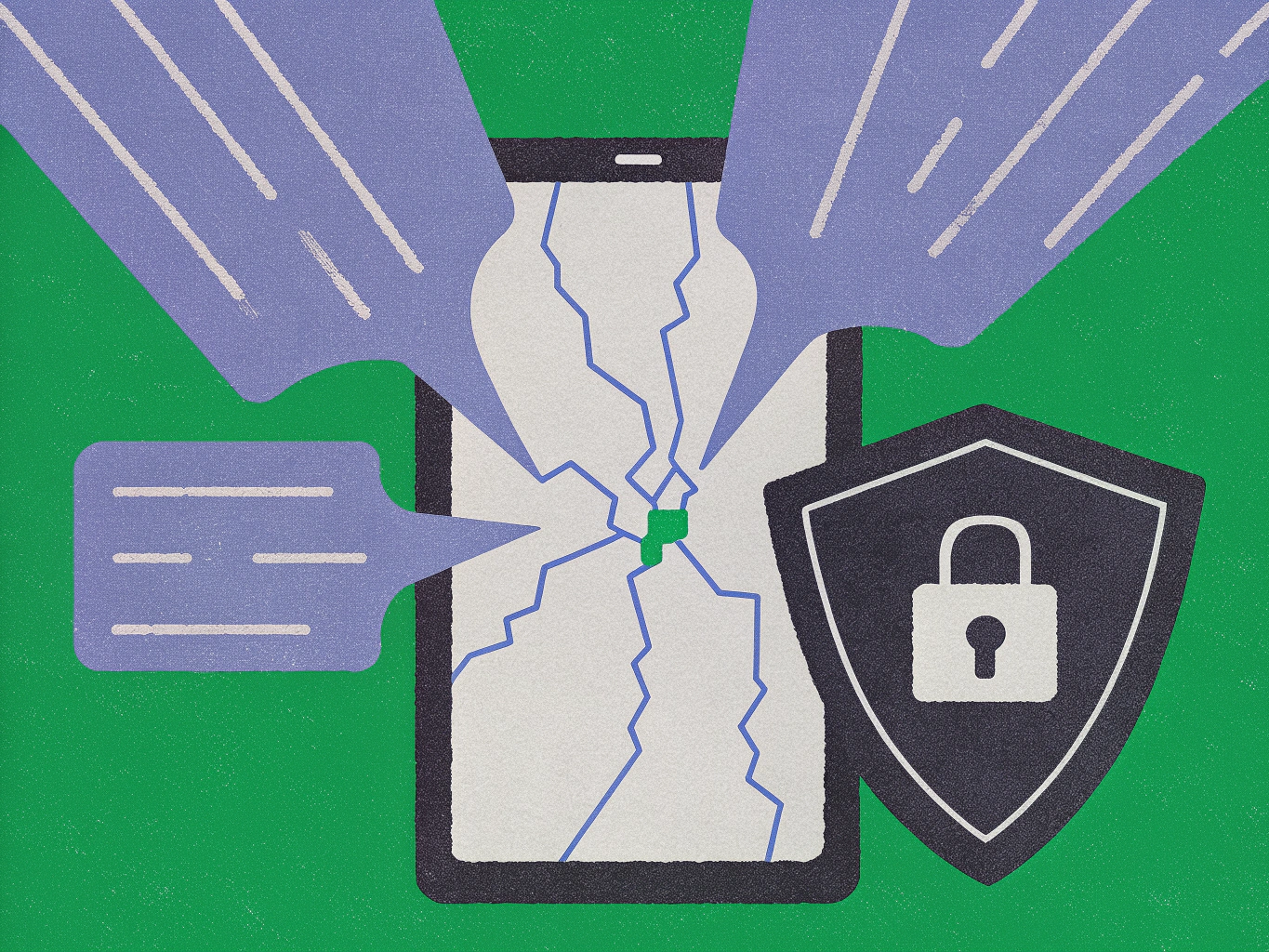
The digital world, for all its convenience, often feels like a house built on sand, its foundations constantly shifting under the weight of corporate ambition and the ever-present threat of data exposure.
This week, those tremors were felt deeply within the walls of WhatsApp, as its former head of security, Attaullah Baig, lobbed a legal grenade at parent company Meta and several executives.
The lawsuit isn’t just a tale of alleged corporate misdeeds; it’s a stark reminder of the fragile trust users place in the platforms that have become integral to their daily lives.
Baig’s allegations are serious: securities fraud under Sarbanes Oxley, stemming from purported violations of a 2020 FTC privacy order, coupled with claims of retaliation after he voiced his concerns for years.
Meta, predictably, has dismissed the lawsuit as the grievance of a disgruntled former employee.
As the legal wrangling unfolds, potentially in court or behind closed doors in a settlement, the pressing question for WhatsApp’s two billion-plus users remains: what does this mean for my privacy?
At the heart of Baig’s complaint are six key accusations, which, when distilled, paint a picture of a company struggling, or perhaps unwilling, to uphold the stringent privacy standards it once championed.
Four of these points—the alleged failure to inventory user data, locate data storage, monitor access, and detect breaches—collectively suggest a security program that is, at best, underdeveloped, and at worst, shockingly negligent for a company of WhatsApp’s stature.
This is not merely a technical oversight; it speaks to a fundamental disconnect from the privacy-first ethos that originally defined the platform.
If true, it would be deeply disappointing, especially given the clear mandates of the 2020 FTC order, the EU’s GDPR, and California’s CCPA.
While WhatsApp might not be the first tech giant to fumble its security posture, the scope of these alleged failings, particularly within a service designed for intimate communication, is concerning.
The data at risk, as specified in the complaint, includes user data, including sensitive personal information covered by the FTC Privacy Order.
This is a broad umbrella, encompassing everything from your name and contact details to your group memberships and message metadata—who you chat with, when, and how often.
Crucially, it generally does not include the actual content of your messages, which remain end-to-end encrypted (though exceptions for undelivered messages in temporary storage are sometimes cited).
For many, this distinction might offer a modicum of comfort.
After all, much of this metadata might already be circulating in the digital ether due to breaches at other companies.
However, dismissing metadata as inconsequential would be a mistake.
In the wrong hands, or even the right ones with questionable motives, metadata can be profoundly revealing.
Imagine, for instance, a flurry of communications between executives of two rival corporations; such patterns could signal an impending merger or a significant business deal, constituting material non-public information.
For journalists, activists, or individuals in sensitive professions, the sheer volume and pattern of their communications could expose networks, sources, or even put lives at risk.
Perhaps the most illuminating accusation revolves around unrestricted data access, alleging that some 1,500 engineers had unfettered access to covered user information without business justification.
Here lies the philosophical battleground between Baig’s interpretation of privacy and Meta’s corporate strategy.
What constitutes business justification is, evidently, a matter of perspective.
While WhatsApp’s early adopters cherished its ad-free, privacy-centric model, Meta has made its intentions clear: monetization.
As recently as June, Meta announced plans to integrate ads into WhatsApp, leveraging limited info like your country or city, language, the Channels you’re following and how you interact with the ads you see.
From Meta’s vantage point, broad access to metadata by its engineering teams could be convincingly framed as essential for developing and delivering these new ad-supported and subscription services.
For users, this presents a stark choice: accept this evolving definition of privacy and justified access, or seek refuge in alternative platforms that align more closely with their expectations.
Finally, the lawsuit claims massive daily account compromises, alleging that 100,000 WhatsApp users suffer account takeovers every single day, with the company failing to implement adequate preventive measures.
Adding insult to injury, Baig contends that his team developed two features to combat these issues, only to have them quashed by WhatsApp management.
While account compromises are an unfortunate reality across many large platforms, the sheer scale alleged here, coupled with the reported suppression of solutions, raises serious questions about WhatsApp’s commitment to user security.
For the end-user, this translates into a heightened need for personal vigilance: strong, unique passwords and multi-factor authentication become not just recommendations, but imperative defenses against a potentially porous system.
WhatsApp does offer various two-step verification options, but their efficacy is only as good as the system supporting them and the user’s diligence in implementing them.
The allegations, if proven, paint a troubling picture for a platform that has become a global communication backbone.
Yet, for the average, mainstream user, the immediate impact might not feel like a seismic shift.
In an era where data breaches are depressingly common and the line between private and monetizable is increasingly blurred across the digital landscape, these revelations might simply confirm existing anxieties rather than introduce new ones.
However, for users with higher threat models—those susceptible to online harassment, corporate espionage, or nation-state surveillance—the implications are far more serious.
The lawsuit forces us all to reconsider the true cost of convenience and the ever-evolving contract we sign with the digital gatekeepers of our personal lives.
As the legal battle unfolds, it will serve as a crucial test of accountability for one of the world’s most ubiquitous communication tools.
-
Frank DiBernardo handles LNGFRM's Foodie and Miscellaneous writing tasks. He's always getting ideas from users, so don't be afraid to send an email to the editor.