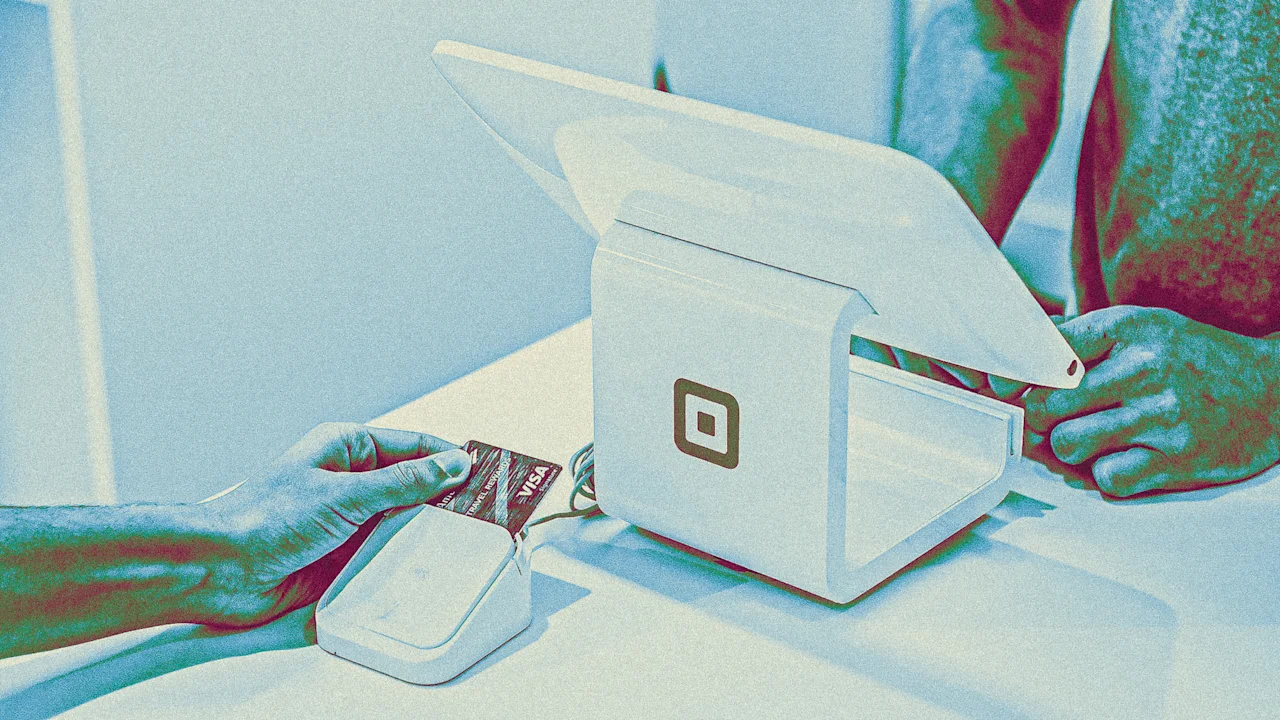
The landscape of small business commerce, often perceived as a battlefield where independent ventures wage a constant struggle against corporate behemoths, just received a significant reinforcement.
Square, long synonymous with the humble point-of-sale device, has unveiled a suite of advancements that signal a profound shift in its ambition, aiming to transform from a transactional facilitator into a comprehensive ecosystem builder.
This isn’t merely an upgrade; it’s a declaration of intent, a strategic pivot towards empowering the local economy with tools previously reserved for enterprises boasting vast resources.
At a recent event in New York City, company leaders laid bare their vision: Square is no longer content to be a two-dimensional vendor.
Its parent company, Block, through Square and its sibling Cash App, is meticulously crafting a digital infrastructure designed to help small businesses not just survive, but thrive.
The announcements were expansive, touching on everything from enhanced restaurant management tools and a sophisticated Square AI suite to the integration of Square Bitcoin for transactions.
Perhaps most intriguingly, Cash App introduced “Neighborhoods,” a feature designed to weave local businesses and their customers into a tighter, more rewarding digital fabric.
Imagine a seamless network where ordering, loyalty points, and marketing channels all converge, fostering genuine community engagement.
Central to this audacious strategy is a deliberate and deeply insightful focus on the food and beverage industry.
Lindsey Irvine, Square’s Chief Marketing Officer, articulates this emphasis with compelling clarity.
Restaurants, she explains, from the bustling diner to the intimate coffee shop, are the “lifeblood” of communities.
They are vibrant hubs, generating significant foot traffic and a wealth of transactional data.
This isn’t just about sentimentality; it’s a calculated move.
Square’s unique position, operating across diverse business types within a single neighborhood, allows it to glean unparalleled insights.
By planting a flag firmly in the restaurant sector, Square aims to build a platform robust enough to tackle the inherent complexities of running an eatery, a foundation that can then be adapted with relative ease to other business types.
This approach speaks volumes about understanding the core challenges of small business.
Within this restaurant-centric push, the Square AI suite’s “Order Guide” stands out as a particularly exciting innovation.
For a sector perpetually battling razor-thin margins and unpredictable supply chains, a tool that leverages artificial intelligence to analyze revenue, costs, and identify alternative suppliers isn’t just helpful; it’s a potential lifeline.
Henry Laporte, co-owner of the nascent French Dip establishment Salt Hank’s, voiced the palpable relief this could bring.
“The price of beef has gone up 25% over the past month,” he remarked, underscoring the daily anxieties faced by restaurateurs.
Jake Dell, the fifth-generation steward of the venerable Katz’s Deli, also shared enthusiasm, recognizing the tangible impact such precise, data-driven cost-saving measures could have.
This is where technology transcends mere convenience and becomes a vital instrument of economic resilience.
Beyond the immediate practicalities, Square is also looking to the horizon, integrating Square Bitcoin as an option for transactions.
While not every mom-and-pop shop will immediately embrace cryptocurrency, the mere availability of this feature through a broad platform like Square positions it ahead of the curve, offering a differentiator that speaks to a forward-thinking segment of the market.
This isn’t about forcing an adoption; it’s about providing choice and future-proofing businesses in an increasingly digitized and diverse financial landscape.
Square’s renewed focus isn’t just digital; it’s deeply localized.
The planned expansion of “Releases” events, envisioning two per year across the U.S. coasts and potentially internationally, underscores a commitment to on-the-ground engagement.
Irvine speaks of a “wild amount of pent-up demand” for these new features, highlighting the trust businesses place in Square’s foundational POS system.
“People trust us, our POS is their lifeblood, and at the end of the day, we’re finding ways to help them grow. We’re showing up authentically,” she affirms.
This authentic presence, felt at the neighborhood level, is a strategic counterpoint to competitors who may feel more distant, reinforcing the human connection at the heart of commerce.
Jack Dorsey, CEO of Square’s parent company Block, articulated this evolution as a “coming full-circle” moment.
In a fireside chat, he reflected on Square’s origins, emphasizing a return to the core mission of equipping small businesses with the insights and robust platforms they need.
Dorsey’s commentary, however, came with a crucial dose of humility.
He admitted there was “no grand vision” in Square’s early days, stressing the importance of adaptability, discovery, and responding to actual customer needs rather than preconceived notions.
“You have to feel it. You have to discover. There’s no true invention,” he stated.
It is this capacity for adaptation, for embracing the “unexpected,” that Dorsey believes has given Square its enduring power and will continue to define its path forward.
In a world of relentless change, Square is demonstrating that lasting power isn’t found in rigid blueprints, but in the agile pursuit of what truly empowers the people at the heart of our communities.
-
Frank DiBernardo handles LNGFRM's Foodie and Miscellaneous writing tasks. He's always getting ideas from users, so don't be afraid to send an email to the editor.