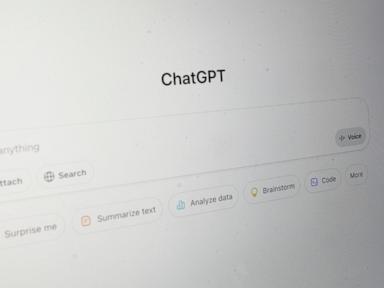
In a move that signals a profound pivot for the artificial intelligence giant, OpenAI is transforming its flagship chatbot, ChatGPT, into a bona fide virtual merchant.
No longer content with merely answering queries or generating prose, the AI is now equipped to facilitate direct purchases from platforms like Etsy, with Shopify integration hot on its heels.
This isn’t just an update; it’s a strategic declaration, thrusting OpenAI squarely into the fiercely competitive arena of online commerce, a domain long dominated by titans like Amazon and Google.
For a company that has, by its own admission, yet to turn a profit and remains reliant on investor capital to fuel its monumental AI endeavors, the allure of online commerce revenue is undeniable.
Building and maintaining sophisticated AI systems demands an extraordinary financial outlay, making the pursuit of new, robust income streams not merely an option, but an imperative.
OpenAI’s foray into direct sales through ChatGPT represents a bold, perhaps even desperate, bid to monetize its groundbreaking technology beyond subscription fees and API access.
The mechanism is straightforward: users interacting with ChatGPT will soon be able to browse and buy goods directly from Etsy sellers, and shortly thereafter, from Shopify merchants, without ever leaving the chatbot interface.
This seamless integration is being powered by a collaboration with payments giant Stripe, which is working to establish the technical standards for what OpenAI terms its “Instant Checkout” system.
Imagine a future where your AI assistant, after helping you brainstorm gift ideas, can then instantly present and process the purchase of a unique, handcrafted item from a small Etsy business, all within the same conversation thread.
This evolution from conversational AI to transactional agent blurs the lines between information retrieval and direct commerce in a way that could redefine online shopping.
It positions ChatGPT not just as a tool, but as a digital concierge capable of guiding users from ideation to acquisition.
The implications are vast, not only for OpenAI’s bottom line but for the entire e-commerce ecosystem.
Yet, this ambitious leap raises significant questions, particularly concerning transparency and user experience.
OpenAI has been quick to assuage potential concerns about favoritism, stating that ChatGPT will not unduly prioritize items based solely on whether Instant Checkout is enabled.
Instead, the company claims its ranking algorithm will consider a multitude of factors when presenting products from multiple merchants selling the same item: availability, price, quality, whether a merchant is the primary seller, and, yes, the presence of Instant Checkout.
While this multi-faceted approach sounds reasonable on paper, the inclusion of “Instant Checkout” as a factor, alongside “optimizing the user experience,” inevitably invites scrutiny.
In the delicate balance between user convenience and algorithmic neutrality, where will the true priorities lie?
Will users always be presented with the objectively best option, or the one that most efficiently completes a transaction and, by extension, generates revenue for OpenAI?
The broader context of this move is equally fascinating.
Payment companies, sensing the inevitable march of AI, have been quietly developing “AI agents” – sophisticated programs designed to find and make purchases on a shopper’s behalf, given access to a credit card.
OpenAI’s integration with Etsy and Shopify through ChatGPT is a tangible step towards this agentic future, where AI doesn’t just recommend, but actively buys.
This vision suggests a world where the friction of online shopping is all but eliminated, replaced by a conversational interface that understands your needs and fulfills them with minimal human intervention.
However, the human element of shopping—the joy of discovery, the tactile experience of browsing, the serendipity of stumbling upon something unexpected—could be diminished in such a streamlined, AI-driven process.
While convenience is paramount for many, the curated, almost clinical efficiency of chatbot-led shopping might sacrifice the very essence of what makes platforms like Etsy, with their emphasis on unique crafts and independent creators, so appealing.
OpenAI’s gambit is clear: to carve out a lucrative niche in the digital marketplace, leveraging the immense popularity and conversational prowess of ChatGPT.
By challenging the established order of e-commerce, the company is not just seeking new revenue; it’s pushing the boundaries of what an AI can be.
This isn’t merely an AI that chats; it’s an AI that sells.
And in that transformation lies a glimpse into the future of how we might all interact with commerce, for better or for worse.
The success of this venture will not only dictate OpenAI’s financial future but will also serve as a crucial barometer for how readily consumers embrace the virtual merchant in their digital lives.
-
Frank DiBernardo handles LNGFRM's Foodie and Miscellaneous writing tasks. He's always getting ideas from users, so don't be afraid to send an email to the editor.