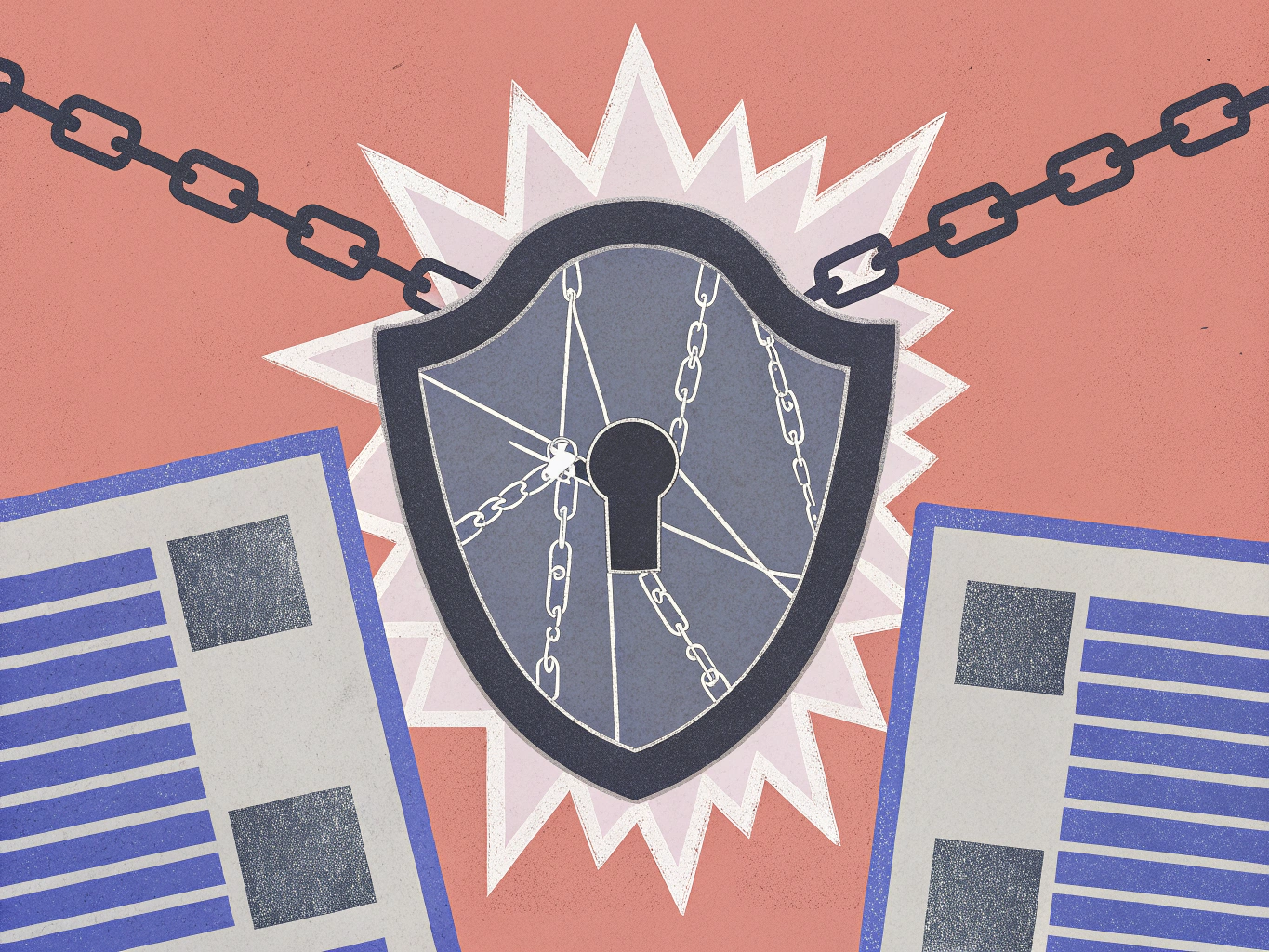
The digital frontier, once heralded as a realm of boundless opportunity, increasingly resembles a precarious battlefield.
The latest skirmish involves Aflac, the insurance giant known for its ubiquitous duck mascot, which recently confirmed a cybersecurity breach that may have compromised the personal information of its vast customer base.
This incident, while swiftly contained, serves as a stark reminder of the sophisticated and relentless threats lurking in the shadows of our interconnected world, casting a long, unsettling shadow over the very concept of digital security.
Aflac disclosed on Friday that a “sophisticated cybercrime group” had infiltrated its U.S. network on June 12, employing social engineering tactics to gain unauthorized access.
While the company moved quickly to halt the intrusion within hours, confirming its systems were not held hostage by ransomware, the damage may already be significant.
Potentially compromised data includes sensitive claims information, health records, Social Security numbers, and other personal identifiers – a veritable treasure trove for malicious actors.
The exact number of affected individuals remains undetermined, adding to the pervasive uncertainty that follows such breaches.
In a world where personal data is the new currency, the vulnerability of institutions entrusted with our most intimate details is a profound concern.
Aflac’s swift response, including the immediate activation of cybersecurity protocols and the engagement of third-party cybersecurity experts, is commendable.
The company is also offering affected customers 24 months of free credit monitoring, identity theft protection, and Medical Shield, attempting to mitigate the potential fallout.
Despite the disruption, Aflac assures its customers that business operations remain fully functional, a testament to its resilience in the face of digital adversity.
Yet, Aflac’s ordeal is far from an isolated event.
It is, as the company itself noted, “part of a cybercrime campaign against the insurance industry.“
This chilling admission underscores a disturbing trend, with other insurers like Erie Insurance and Philadelphia Insurance Companies having reported similar network intrusions earlier this month.
The irony is palpable: an industry built on assessing and mitigating risk is now grappling with a pervasive, evolving digital threat that, for many, feels impossible to fully insure against.
The targets of these sophisticated cybercrime syndicates have expanded dramatically over the years.
No longer content with merely targeting financial institutions, these groups have broadened their scope to include cities, municipalities, hospitals, hotels, and even casinos.
This diversification reflects not only the increasing technical prowess of attackers but also their understanding that any entity holding valuable data, or critical infrastructure, represents a lucrative target.
The sheer scale of potential disruption was vividly illustrated last year when a cyberattack on UnitedHealth Group reportedly cost providers an estimated $100 million a day, a staggering figure that highlights the economic devastation these digital assaults can unleash.
For millions of Americans, the breach at Aflac is more than just another headline; it’s a chilling reminder of the inherent fragility of their digital existence.
Our personal information, meticulously collected and stored by countless entities, is perpetually at risk.
The reliance on social engineering tactics by these cybercriminals is particularly insidious, as it exploits human vulnerabilities – trust, curiosity, urgency – rather than purely technical flaws.
It’s a psychological warfare waged in the digital realm, making every email, every link, every unsolicited call a potential vector for compromise.
The battle against cybercrime is an ongoing, asymmetrical war.
Cybersecurity professionals work tirelessly to erect stronger defenses, but the attackers constantly evolve their methods, probing for the slightest weakness.
For consumers, the best defense remains a vigilant offense: regularly monitoring financial accounts, exercising extreme caution with unsolicited communications, and promptly utilizing protective services offered by breached entities.
While companies like Aflac are investing heavily in fortifying their digital perimeters, the ultimate responsibility for safeguarding personal information often falls back on the individual, navigating a complex landscape of digital threats.
As the dust settles on this latest incident, the message is clear: the digital world is a shared space of both immense promise and profound peril.
Companies, governments, and individuals must remain perpetually alert, adapting to an ever-shifting threat landscape.
The Aflac breach, while contained, stands as a potent symbol of the pervasive and relentless digital assault on our most private data, underscoring that in the age of information, vigilance is not merely a recommendation, but an absolute necessity.
-
Frank DiBernardo handles LNGFRM's Foodie and Miscellaneous writing tasks. He's always getting ideas from users, so don't be afraid to send an email to the editor.