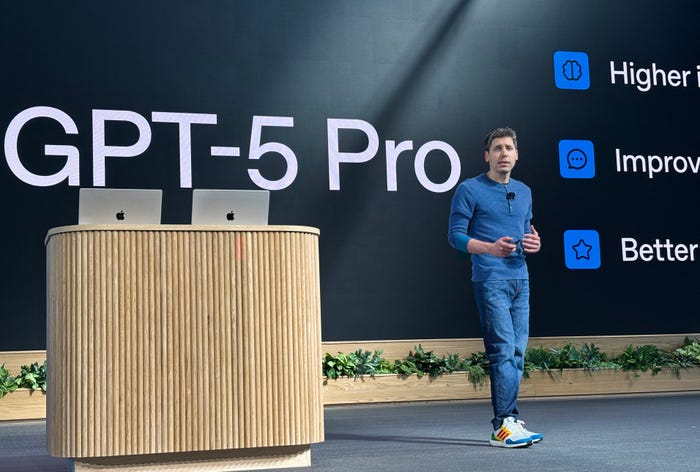
Sam Altman, the often-enigmatic CEO of OpenAI, has embarked on a dealmaking odyssey that is not merely unprecedented in its scale but profoundly redefines the very architecture of the artificial intelligence industry.
This year alone, his partnerships have reportedly pushed the value of OpenAI’s dealmaking to an astonishing $1 trillion, a figure that commands attention and perhaps, a healthy dose of skepticism. For further information, you can read more about OpenAI’s trillion-dollar deals.
Yet, if Altman’s recent pronouncements are any indication, this is just the opening act in a grander, more audacious strategy.
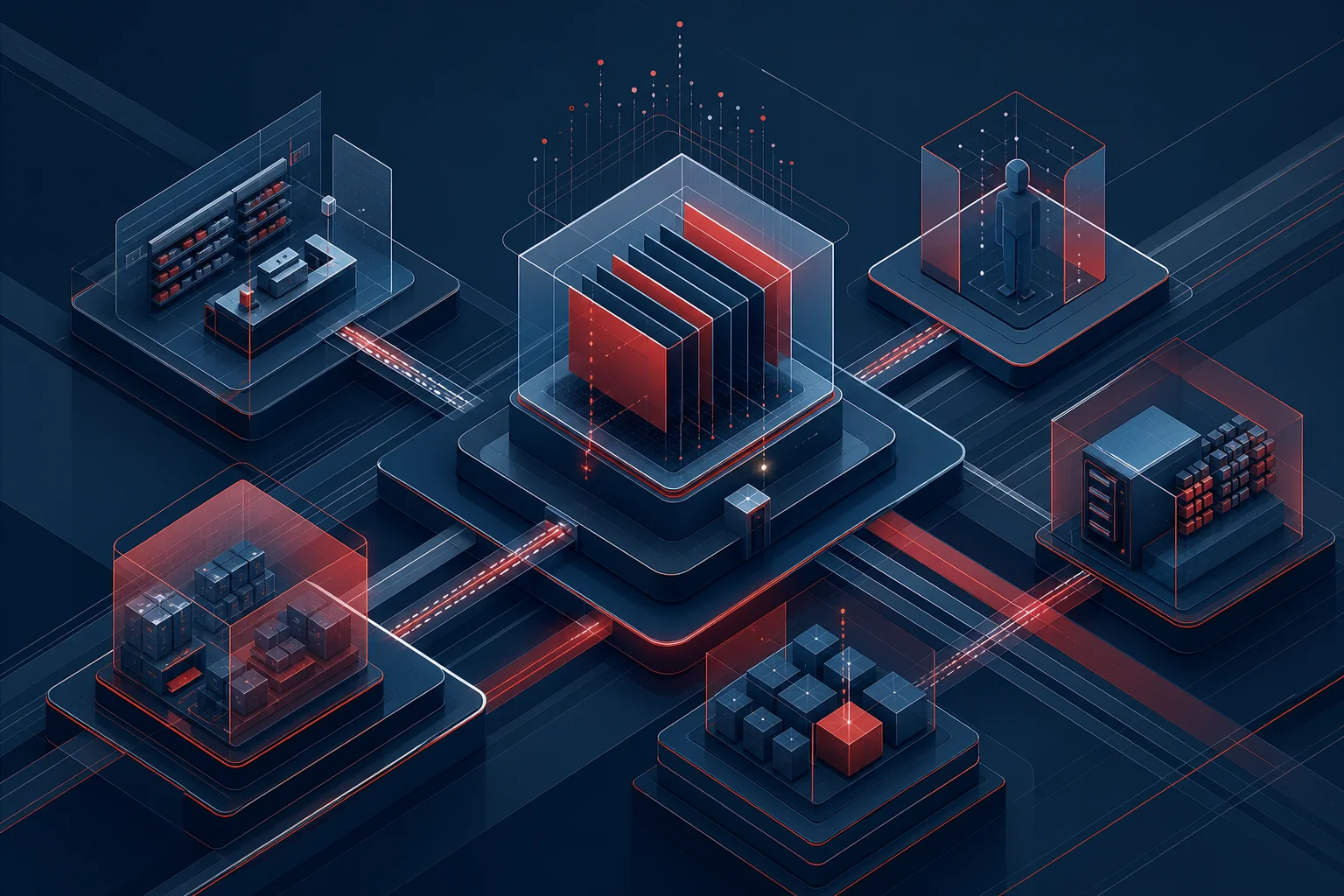
The sheer volume of these agreements, encompassing titans like Nvidia, AMD, CoreWeave, and Oracle, paints a picture of a company aggressively securing its supply lines for the coming AI revolution.
But it’s more than just procurement; it’s a strategic encirclement of the foundational compute and chip infrastructure upon which advanced AI models are built.
Altman himself doesn’t mince words, describing these moves as a “very aggressive infrastructure bet,” and one he believes requires “the whole industry, or a big chunk of the industry, to support it.” For insight on this strategy, consider reading this article on the stakes of OpenAI’s dealmaking.
This isn’t just about OpenAI’s growth; it’s about reshaping the entire ecosystem.
Perhaps the most revealing insight into Altman’s evolving philosophy comes from his candid admission regarding vertical integration. You can delve deeper into the importance of vertical integration in tech.
Historically, the conventional wisdom in economics champions specialization: companies focus on their core competencies, and efficient markets connect the dots.
Altman, by his own account, was “always against vertical integration.” Now, he concedes, “I think I was just wrong about that.” This isn’t a minor tactical shift; it’s a fundamental recalibration of his strategic compass.
For OpenAI, the traditional market mechanisms, it seems, have fallen short of delivering the necessary scale and control.
To “deliver on the mission,” as Altman puts it, OpenAI must now “do more things than we thought,” effectively integrating deeper into its supply chain, a move that speaks volumes about the perceived criticality of its mission and the perceived inadequacies of the existing industrial framework.
This pivot suggests a growing conviction within OpenAI that the future capabilities of AI models are so transformative, so economically valuable, that they necessitate an almost monopolistic grip on the underlying resources.
The deals, some might argue, are less about fostering collaboration and more about securing dominance, ensuring that OpenAI has priority access to the scarce, high-performance computing power that fuels the AI race.
For additional insights into the financial implications of such deals, consider this Guardian article.
Altman’s confidence, even in the face of what some analysts deem “ambitious or risky,” is unwavering; he believes these seemingly disparate deals will ultimately “all make sense.” However, such colossal bets naturally raise questions about their financial underpinnings.
Analysts have described some of OpenAI’s arrangements as “circular” or “self-funding,” a mechanism that sounds as precarious as it is ingenious. For example, the notion that Nvidia’s $100 billion investment in OpenAI could then be used by OpenAI to purchase Nvidia chips has certainly fueled “worries much hotter than what we have seen previously,” as Bernstein analysts noted.
Altman’s answer to who will ultimately foot the bill is simple: OpenAI’s revenue.
This is where the narrative hits a fascinating inflection point.
While OpenAI boasts an impressive 800 million weekly active ChatGPT users and generated $4.3 billion in revenue in the first half of 2025, it also reported a staggering net loss of $13.5 billion in the same period.
For further details about the financial health of OpenAI, you might find this article enlightening.
The chasm between revenue and expenditure highlights the immense capital intensity of pioneering advanced AI.
Altman’s assertion that future revenue will cover these monumental costs is a testament to his long-term vision, but it also underscores the high-wire act OpenAI is performing.
It’s a gamble on exponential growth and future profitability, a belief that the “economic value that sits there can go very, very far.” Intriguingly, Altman also envisions OpenAI, buttressed by tens of billions in funding, as potentially becoming a financier itself, assisting other companies with the capital they need “ahead of revenue.” This positions OpenAI not just as a consumer of high-tech resources but potentially as a kingmaker, shaping the financial landscape for its partners and perhaps even competitors.
For a broader perspective on the future of AI investments, consider this AI Index Report 2025.
It’s a bold vision, one that transcends the traditional role of a technology company and hints at a future where OpenAI exerts influence not just through its models, but through its capital.
In essence, Sam Altman is not merely leading a company; he is orchestrating a grand industrial strategy, a trillion-dollar gamble on the future.
His evolving stance on vertical integration, his relentless pursuit of infrastructure deals, and his audacious financial outlook collectively paint a picture of a leader convinced that the traditional rules of engagement no longer apply in the nascent, high-stakes world of artificial intelligence.
The question remains whether this aggressive, all-encompassing strategy will secure OpenAI’s dominance or whether the immense financial and operational risks will eventually catch up, but one thing is clear: Altman is playing a game unlike any other, and the entire tech world is watching.
-
Frank DiBernardo handles LNGFRM's Foodie and Miscellaneous writing tasks. He's always getting ideas from users, so don't be afraid to send an email to the editor.