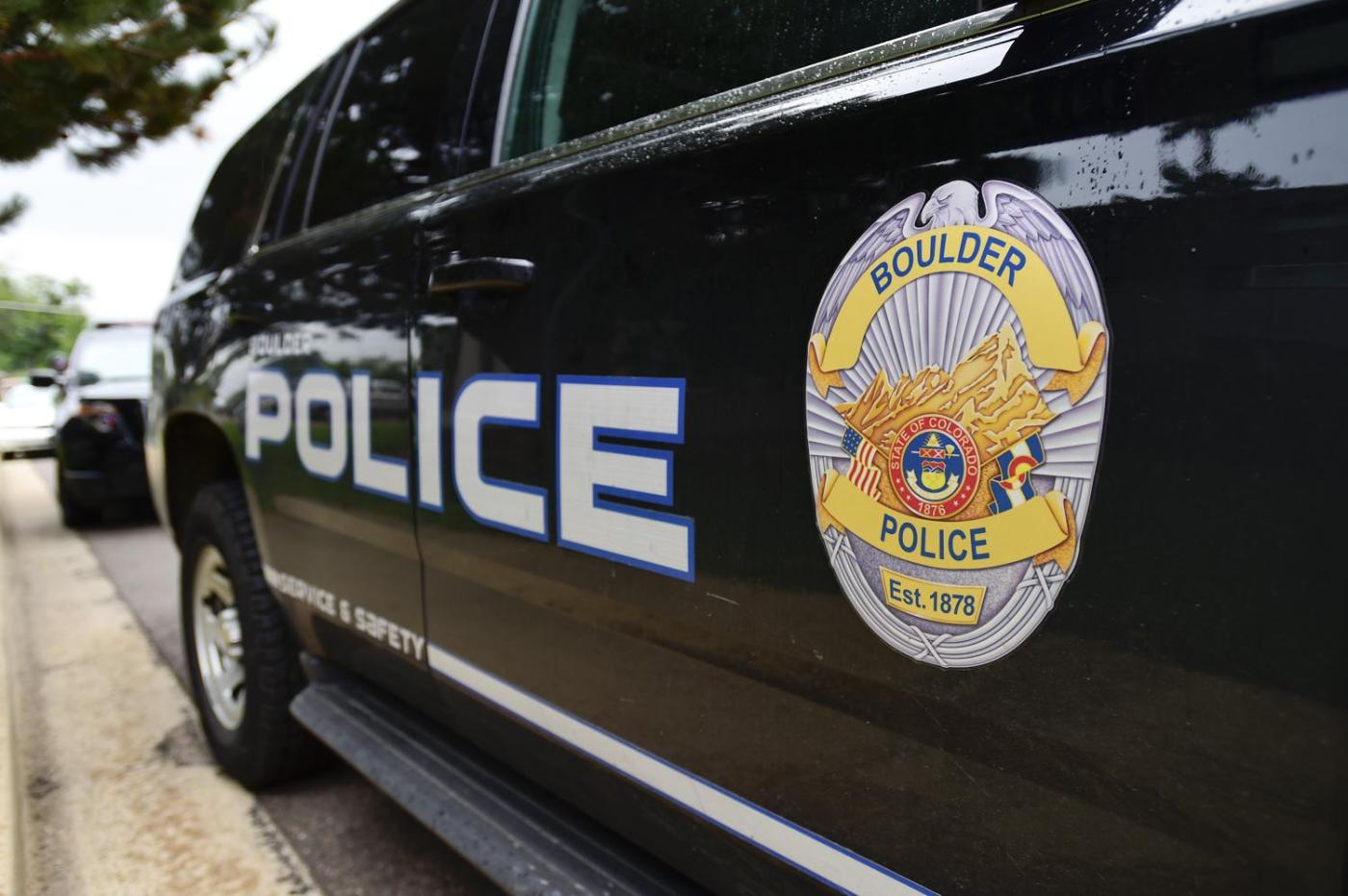
A quiet but significant shift is underway in Boulder, one that will fundamentally alter how the public and press understand the rhythm of their community’s emergencies and the actions of those sworn to protect it.
As of Tuesday, the familiar chatter of Boulder Police Department radios, once a readily accessible soundtrack to local life, has gone silent, replaced by an encrypted system that locks out curious ears and, more critically, the vigilant eyes and ears of local journalism.
For decades, anyone with a police scanner, or more recently, an internet connection to sites like Broadcastify, could tune into the live, unfiltered stream of police activity.
A car crash, a developing crime scene, a missing person report – these real-time events were broadcast, offering an immediate window into the front lines of public safety.
Now, that window has been shuttered.
The Boulder Police Department, through spokesperson Dionne Waugh, justifies this move on grounds of security and efficiency.
The new system, already adopted by many neighboring agencies in Boulder County, promises faster communication between departments, a crucial upgrade for large-scale operations and special events like the Sundance Film Festival.
Waugh emphasized that the previous system was simply “not sufficient enough to handle those large operations.”(source)
Furthermore, encryption, she argued, protects officers and the community from “bad actors” monitoring police response and ensures the privacy of victims.
Boulder, according to Waugh, was simply “behind much of Colorado” in making this technological leap.
While the arguments for operational efficiency and officer safety are compelling, the implications for public transparency and press freedom are profound and troubling.(source)
For The Daily Camera, Boulder’s newspaper of record, the police scanner wasn’t just a convenience; it was a primary artery for newsgathering.
Reporters routinely monitored the airwaves, discerning the gravity of incidents as they unfolded, often leading to timely and essential stories that kept the community informed.
Without this direct access, a vital early warning system for public interest reporting has been dismantled.
The department did offer the Daily Camera an encrypted radio, but it came with a ten-page contract laden with stipulations that local journalists found unacceptable.(source)
The agreement would have forbidden the newspaper from disclosing information “prior to the conclusion of law enforcement operational activities” and held them liable for any damages arising from the radio’s use.
John Vahlenkamp, Regional Editor for Prairie Mountain Media and Editor of the Daily Camera, firmly declined the offer.
“Our company’s practice has been to not sign any contract in order to access unencrypted police radio traffic, and this decision is consistent with that practice,” Vahlenkamp stated.
He underscored the paper’s long history of responsible reporting, asserting that Camera coverage had never endangered an officer.(source)
This refusal is not merely a journalistic preference; it’s a stand on principle, safeguarding editorial independence and the press’s role as a public watchdog, unencumbered by law enforcement’s dictates.
The immediate concern, beyond the loss of a reporting tool, is what this means for the public’s right to know.(source)
When pressed on whether the department would commit to proactively sharing details of specific ongoing crimes or significant incidents like shootings or fatal crashes under the new system, Waugh offered no firm assurances.
“We will continue to prioritize information that’s related to keeping our community safe,” she wrote, adding that information release would be “evaluated in line with best practices.”
While the department will continue to issue standard alerts for shelter-in-place or evacuations, the proactive flow of information on other critical events appears less certain.
A review of the Boulder Police Department’s social media posts on X revealed a mixed bag.
While major car crashes and road closures often saw quick, real-time updates, other incidents of public interest were subject to significant delays or, in some cases, complete silence.
A mountain lion killing a dog in July wasn’t publicly disclosed for three days.(source)
Information about a man wielding a machete in a neighborhood in October took two days to surface.
And a car driving on a bike path in North Boulder in September went unmentioned by the department, only coming to light through an anonymous Reddit post.(source)
These inconsistencies paint a concerning picture of an information pipeline that, even prior to encryption, was not always robust or timely for all types of incidents.
With the scanner now dark, the potential for an information vacuum grows.
Boulder’s decision also stands in contrast to approaches taken by other communities.(source)
While Denver Police Department also went encrypted in 2019 and offered a similarly restrictive contract (which the Denver Post declined), Longmont Public Safety, after an initial trial, provided the Longmont Times-Call with a free radio scanner without any contractual strings attached – a “handshake agreement” that continues to this day.
This demonstrates that a path exists for balancing security concerns with journalistic access.
Moreover, it’s noteworthy that Boulder Fire-Rescue and the Boulder County Sheriff’s Office radios remain publicly accessible online, suggesting that the “imminent threat” justification for full encryption isn’t universally applied across all emergency services in the region.
Ultimately, the encryption of Boulder’s police radios represents more than just a technological upgrade; it’s a redefinition of the relationship between law enforcement and the public it serves.
While the police department emphasizes its commitment to community safety and effective communication, the unilateral decision to remove a critical avenue for public and press oversight raises legitimate questions about transparency and accountability.
In an era where trust in institutions is increasingly fragile, the closing of this window, however justified by security concerns, risks fostering an environment where the public feels less informed, and therefore, less empowered.
The Daily Camera has pledged to continue informing its readers, leveraging social media, official channels, and direct engagement with authorities.
But the loss of the scanner is a palpable blow, a reminder that the pursuit of truth and timely information in a democratic society often requires constant vigilance, especially when the channels of communication grow narrower.
The challenge now falls to the Boulder Police Department to prove that their commitment to “best practices in law enforcement public information sharing” can truly fill the void left by a silence that, for many, speaks volumes.
-
Frank DiBernardo handles LNGFRM's Foodie and Miscellaneous writing tasks. He's always getting ideas from users, so don't be afraid to send an email to the editor.