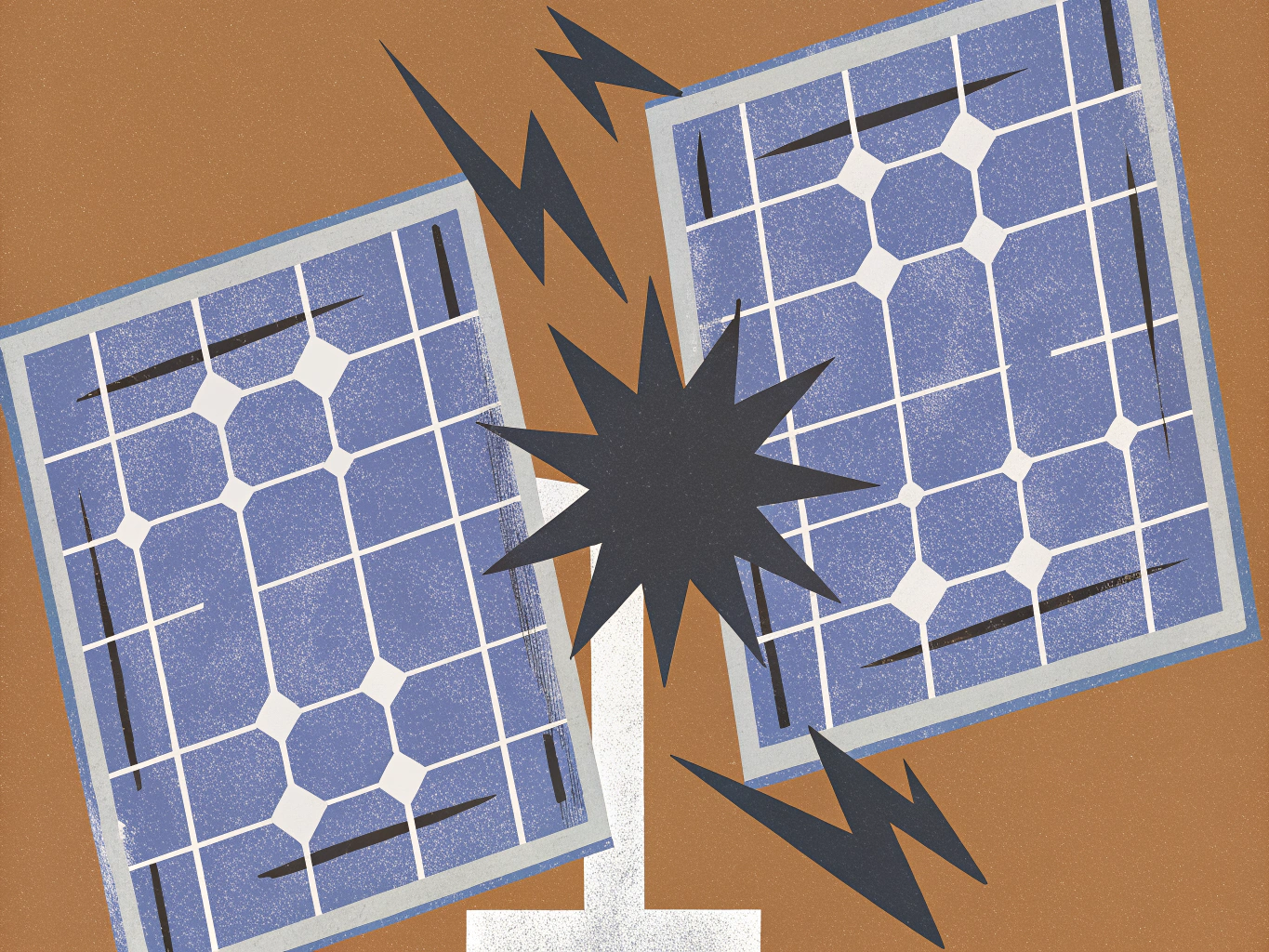
The sun, a symbol of clean energy and a brighter future, now casts a shadow of vulnerability over a significant portion of our global power infrastructure.
A recent report by Forescout’s Vedere Labs reveals a troubling reality: nearly 35,000 solar power devices, from the inverters that convert sunlight into electricity to the data loggers that monitor performance, are alarmingly exposed to the internet, making them prime targets for malicious actors.
This isn’t merely a technical glitch; it’s a systemic crack in the very foundation of our rapidly expanding green energy revolution.
The irony is palpable.
As nations race to embrace renewable energy, particularly solar, the underlying digital security of these systems often lags dangerously behind.
Forescout’s findings build on previous warnings, identifying a litany of vulnerabilities, including outdated firmware, known exploits already active in the wild, and deeply insecure default configurations.
These aren’t just theoretical risks; they represent tangible pathways for cybercriminals to potentially hijack or even disable solar grids, with consequences that could ripple far beyond mere financial loss.
What makes this situation particularly acute is the sheer scale of unpatched systems.
Despite growing awareness of cyber threats, many of these devices remain as open invitations to attack.
It’s a curious paradox that the vendors with the highest number of exposed devices aren’t necessarily the largest global installers.
This suggests a problem rooted not just in product design, but in the crucial stages of deployment and ongoing management—poor default settings, insufficient user guidance, and unsafe manual configurations are frequently to blame.
It’s a stark reminder that technology, however advanced, is only as secure as its weakest human link.
Geographically, the exposure is disproportionately concentrated.
Europe, a continent at the forefront of renewable energy adoption, accounts for a staggering 76% of all exposed solar power devices.
Within Europe, Germany and Greece bear the brunt of this vulnerability, raising immediate questions about regional energy security and resilience.
While an internet-exposed system isn’t inherently compromised, it transforms into a soft target, inviting probing and exploitation by cybercriminals who are constantly scanning for such opportunities.
The real-world implications are already manifesting.
Consider the SolarView Compact device, which saw its online exposure skyrocket by 350% in just two years.
This device was directly implicated in a 2024 cyber incident in Japan that led to bank account theft.
Such incidents serve as a chilling testament to how seemingly isolated vulnerabilities in industrial control systems can cascade into tangible harm, affecting individuals and potentially wider financial systems.
Moreover, the continued prevalence of discontinued devices like the SMA Sunny WebBox, still widely exposed, underscores a critical lifecycle management failure within the industry.
These older systems, often lacking modern security updates, become digital anchors dragging down the overall security posture.
Beyond the immediate technical flaws, a deeper geopolitical undercurrent adds another layer of complexity.
Reports, including one from Reuters, have highlighted the discovery of rogue communication modules in Chinese-manufactured inverters.
While not directly linked to specific attacks, such revelations prompt governments globally to re-evaluate the security of their critical energy infrastructure and supply chains.
It’s a stark reminder that the components powering our future might carry unseen risks, blurring the lines between commercial competition and national security.
The path forward is clear, though challenging.
Forescout’s recommendations are both practical and urgent.
Organizations must prioritize the retirement of devices that cannot be patched, acknowledging that legacy systems often become insurmountable security liabilities.
Crucially, management interfaces should never be exposed directly to the internet.
Instead, secure solutions like Virtual Private Networks (VPNs) are essential for remote access, coupled with strict adherence to established cybersecurity guidelines from bodies like CISA and NIST.
Ultimately, a robust, layered security approach is no longer optional but imperative.
This includes not just traditional antivirus and endpoint protection but, increasingly, Zero Trust Network Access (ZTNA) architectures.
ZTNA, by verifying every user and device before granting access, irrespective of their location, can create insulated environments that significantly raise the bar for intrusion.
The green energy transition is vital for our planet’s future, but it must be built on a foundation of unshakeable security.
The current landscape of exposed and vulnerable solar devices isn’t just a technical oversight; it’s a call to action.
It demands a collective commitment from manufacturers, installers, and operators to prioritize cybersecurity with the same fervor they apply to efficiency and sustainability.
Without it, the very systems designed to power a cleaner world could ironically become the conduits for its disruption.
-
Frank DiBernardo handles LNGFRM's Foodie and Miscellaneous writing tasks. He's always getting ideas from users, so don't be afraid to send an email to the editor.