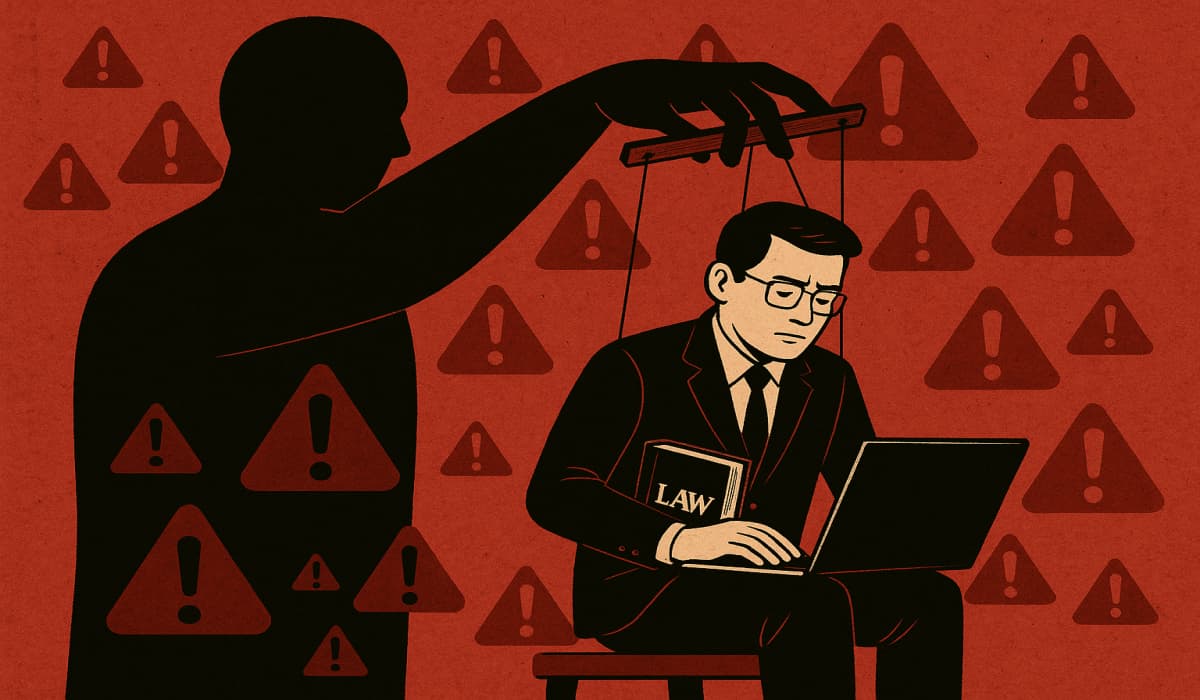
In a digital age where information is as valuable as currency, the legal sector is under siege from a formidable threat—one that doesn’t break in through the windows but rather slips in through the phone lines.
The FBI has sounded the alarm on the Silent Ransom Group (SRG), also known by the aliases Luna Moth or Chatty Spider, which has set its sights on US law firms in a sophisticated campaign of digital espionage.
This emerging threat, with its roots traced back to 2022, has been wreaking havoc across industries such as healthcare and insurance, but now it seems the legal world is its new playground.
The FBI’s alert, issued in late 2023, underscores a troubling trend: cybercriminals are evolving their tactics, becoming more cunning and elusive.
SRG’s approach combines the art of deception with technological prowess.
Their modus operandi involves phishing emails that masquerade as innocuous subscription service alerts, designed to sow panic and compel recipients to make contact.
The emails contain images that do not require clicking, thus bypassing traditional email security filters.
Instead, they provide a phone number, enticing the unsuspecting victim to call—a clever workaround that exploits human curiosity and urgency.
Once the connection is established, SRG’s operatives, posing as company IT personnel, persuade employees to download remote access software.
This seemingly innocuous action is the key that unlocks the door to a treasure trove of sensitive legal data.
Once inside, SRG quietly siphons off critical information using tools like WinSCP or Rclone, leaving minimal traces and complicating efforts to track them down.
The choice of targeting law firms is far from random.
Legal entities are custodians of privileged information, from confidential client details and sensitive corporate negotiations to personal data that could devastate reputations if exposed.
The stakes are high, and SRG knows this all too well.
The group’s tactics are not about immediate financial gain through traditional ransomware; they are about long-term leverage, extracting ransom to keep damaging information from being released or sold.
What makes SRG particularly dangerous is its ability to blend in.
By utilizing legitimate system management and remote access tools, their activities often evade detection by antivirus programs.
This stealthy approach has left many firms vulnerable, struggling to respond effectively in the wake of an attack.
Cofense Intelligence’s May 2025 report further amplifies the FBI’s concern, highlighting the rampant abuse of Remote Access Tools (RATs) by cybercriminal groups.
ConnectWise ScreenConnect emerges as a favored tool, reflecting the broader trend of RAT exploitation in cyberattacks.
These tools, designed for IT support, have become double-edged swords in the hands of malicious actors.
The FBI’s urgent plea to law firms and other potential targets is clear: vigilance is paramount.
Network administrators are advised to monitor for unusual activity, such as unexpected downloads of remote access tools or unexplained external file transfers.
Sudden emails about subscription renewals or unsolicited IT support calls should raise red flags.
Awareness and education are vital; staff training to recognize phishing attempts and social engineering tactics can be the first line of defense.
Moreover, the FBI emphasizes the importance of robust cybersecurity practices.
This includes implementing strong passwords, adopting two-factor authentication (2FA), and maintaining regular data backups.
These measures won’t necessarily prevent an attack, but they can mitigate the damage and reduce the time needed to recover.
The Silent Ransom Group represents a new breed of cybercriminals—patient, methodical, and disturbingly efficient.
Their attacks are a wake-up call to the legal industry, highlighting the urgent need for heightened cybersecurity measures and greater collaboration with authorities.
The FBI’s call for victims to share ransom notes, phone numbers, and wallet addresses is a pivotal step in building a comprehensive defense strategy.
As we navigate this landscape where information is both power and vulnerability, the legal sector must fortify its defenses.
The Silent Ransom Group’s tactics serve as a stark reminder of the evolving threats in our digital world, urging us to remain ever vigilant in the face of invisible adversaries.
-
Frank DiBernardo handles LNGFRM's Foodie and Miscellaneous writing tasks. He's always getting ideas from users, so don't be afraid to send an email to the editor.