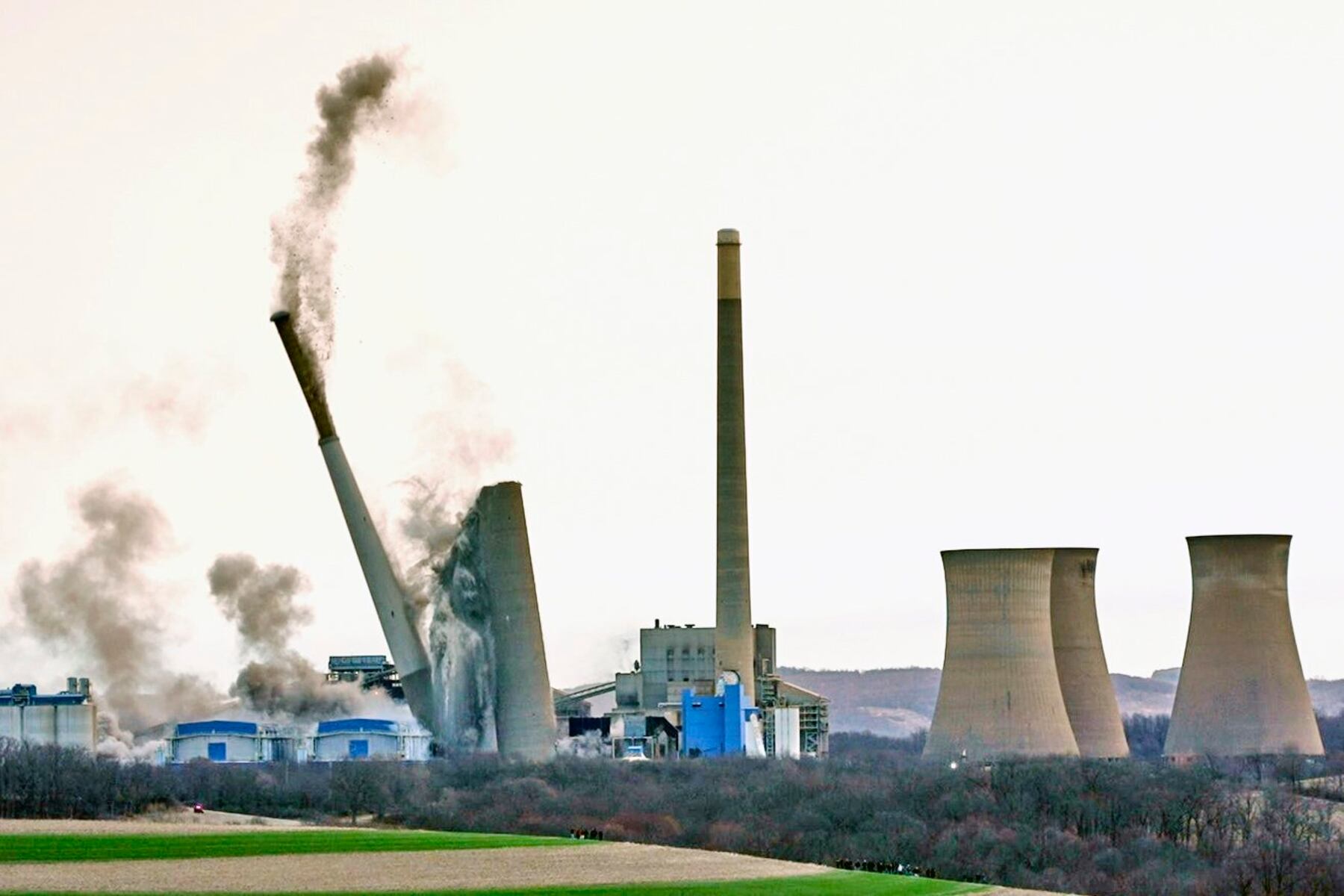
In a transformative venture that blends tradition with technology, the former Homer City Generating Station in Pennsylvania is poised to undergo a $10 billion metamorphosis.
This ambitious project aims to turn the once mighty coal‐fired plant into a cutting‐edge data center campus, powered by natural gas turbines.
As the lifeblood of modern industries, data centers are essential for the burgeoning demands of artificial intelligence and cloud computing, and this project places Pennsylvania at the epicenter of a digital revolution.
Nestled about 50 miles east of Pittsburgh, the site will host seven gas‐fired turbines capable of generating an astounding 4.5 gigawatts of electricity.
To put that into perspective, that’s enough energy to power approximately 3 million homes.
Construction is slated to commence this year, with the potential for power to start flowing by 2027.
The project, overseen by the investor group Homer City Development, is expected to surpass the initial $10 billion investment significantly, a testament to the scale and ambition of the endeavor.
The location of the former Homer City Generating Station has always been its greatest asset.
With existing infrastructure, such as transmission lines linked to the mid‐Atlantic and New York power grids, substations, and water access, the groundwork is already laid for this new era.
These components, remnants of its coal‐powered past, will now serve as the foundation for a future‐oriented energy hub.
In a symbolic gesture marking the end of an era, the plant’s cooling towers and smokestacks were demolished last month, clearing the way for the site’s rebirth.
This transition is emblematic of broader trends in the energy sector.
As environmental regulations tighten and the cost of coal escalates, traditional coal‐fired plants are becoming economically untenable.
The shuttering of the Homer City plant in 2023 after 54 years of operation is a microcosm of this global shift.
Ironically, the very pressures that led to its closure—competition from cheaper natural gas and changing energy demands—now fuel its rebirth.
The project is not just a local endeavor but a reflection of global technological currents.
The debut of OpenAI’s ChatGPT in late 2022 sparked a worldwide surge in demand for AI products, which are notoriously energy‐intensive.
This has driven tech giants to seek out new power sources, including reviving nuclear reactors and building new gas‐fired plants.
In fact, the decision to reopen the Three Mile Island nuclear power plant underlines the extent to which energy strategies are being recalibrated to meet the demands of digital infrastructures.
As Pennsylvania steps into the future, it grapples with the implications of this transformation.
While some may view the pivot to natural gas as a necessary step towards a more sustainable energy landscape, others voice concerns over the environmental ramifications.
Nevertheless, the Homer City project exemplifies a pragmatic approach to energy transition, utilizing the abundant Marcellus Shale natural gas reservoir to fuel progress.
This development invites us to ponder the complex dance between legacy and innovation.
As smokestacks crumble and data centers rise, Pennsylvania serves as a poignant reminder that the path to the future often lies through the ruins of the past.
This project is more than an energy initiative; it’s a narrative of resilience and reinvention in the face of a rapidly changing world.
-
Frank DiBernardo handles LNGFRM's Foodie and Miscellaneous writing tasks. He's always getting ideas from users, so don't be afraid to send an email to the editor.