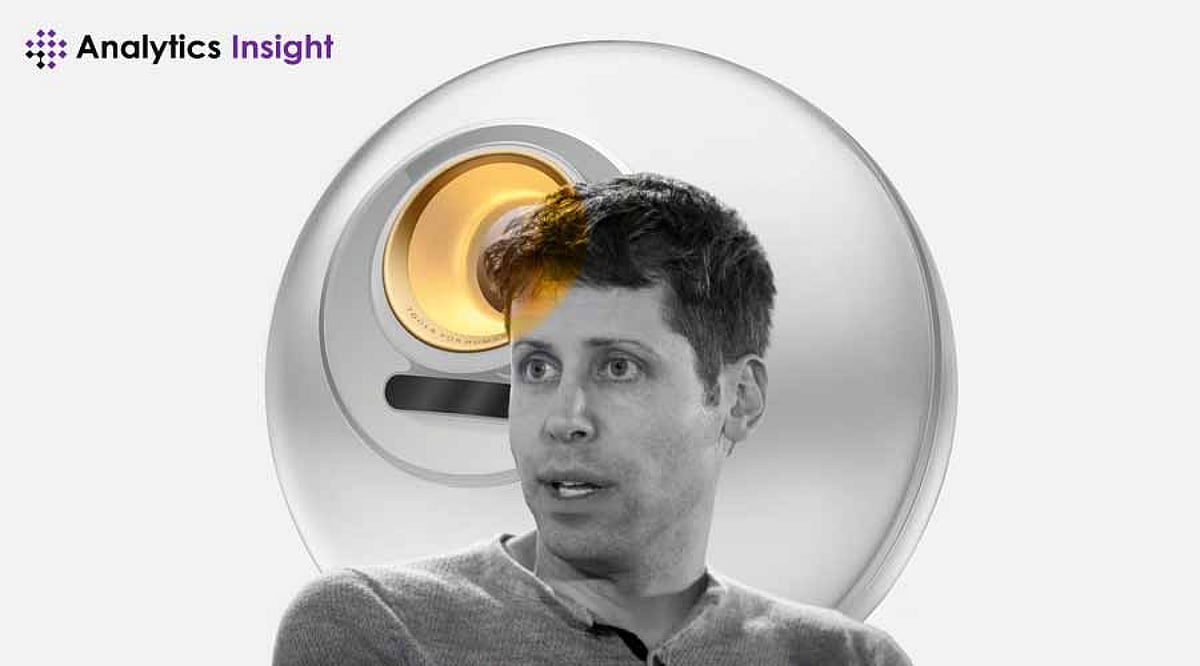
In a bold move that could redefine how we perceive both digital identity and cryptocurrency, Sam Altman, the CEO of OpenAI, has launched his ambitious project, World, in the United States.
The platform, which has been making waves globally, is now available in six major US cities: Atlanta, Austin, Los Angeles, Miami, Nashville, and San Francisco.
Formerly known as Worldcoin, the project uses a unique biometric orb to scan users’ eyes and faces, granting them a World ID and rewarding them with WLD tokens.
This fusion of biometric data and cryptocurrency is poised to revolutionize the digital landscape, but not without stirring controversy.
The project’s scope is vast, and its ambitions are nothing short of futuristic.
World has partnered with Visa to introduce a World Visa Card that will allow users to make payments in WLD tokens and other cryptocurrencies.
This card is expected to go live later this year, marking a significant step toward integrating cryptocurrency into everyday transactions.
It’s a bold step towards mainstream adoption, marrying traditional financial systems with cutting-edge digital currency technology.
Not stopping at financial services, Altman’s World is also making intriguing strides into the realm of online dating.
Match Group, which owns popular platforms like Tinder, Hinge, and Match.com, is testing the integration of World ID for verifying user profiles.
In an era where fake accounts and bots plague dating apps, this move could be a game-changer, enhancing trust and authenticity in digital interactions.
But the reach of World doesn’t end there.
The platform plans to integrate with Minecraft, Reddit, Telegram, Shopify, and Discord, allowing users to verify their humanity across the internet.
These integrations highlight the potential of World ID to become a universal digital identity solution.
Despite its promising applications, World has not escaped scrutiny.
Privacy concerns have dogged the project, particularly in Europe.
In Spain and Portugal, activities were temporarily halted due to apprehensions about the company’s data collection practices.
Critics worry about the implications of a system that relies heavily on biometric data, questioning how the data is stored and used.
These concerns are not unfounded in an age where data privacy is paramount, and breaches can have far-reaching consequences.
Yet, the numbers tell a different story.
The project has amassed over 26 million users worldwide, with 12 million confirmed through the Orb scan.
These figures suggest a growing acceptance and interest in the platform, despite the controversies.
Initially launched in 2019 as Worldcoin, the venture rebranded to World in 2024, positioning itself at the nexus of digital ID authentication and cryptocurrency utility.
World is also exploring applications beyond identity verification.
Collaborations with platforms like Kalshi, which specializes in prediction markets, and Morpho, a decentralized lending protocol, indicate a desire to expand the utility of WLD tokens.
These partnerships could open new avenues for the application of cryptocurrency and digital identity, potentially influencing sectors as diverse as finance, entertainment, and social networking.
The impact of the US launch on WLD token prices was immediate, with a short-lived spike of up to 15%.
However, the token has since settled, trading at slightly more than US$1, a far cry from its record high of US$11.74 in March 2024.
This volatility underscores the uncertainties facing World as it attempts to gain a foothold in the competitive and often unpredictable world of cryptocurrency.
Whether the US launch will stabilize or boost the token’s value remains to be seen.
Sam Altman’s World is a captivating blend of ambition and innovation, drawing a line between the digital and physical worlds.
Its expansion into the US market is a significant milestone, but the journey ahead is fraught with challenges.
Privacy concerns will need to be addressed decisively to gain the trust of users, and the volatility of the cryptocurrency market poses a constant threat to stability.
Yet, if successful, World could redefine digital identity and open new frontiers for cryptocurrency applications.
As the world watches and waits, one thing is certain: Altman’s venture is one to keep an eye on—quite literally.
-
Frank DiBernardo handles LNGFRM's Foodie and Miscellaneous writing tasks. He's always getting ideas from users, so don't be afraid to send an email to the editor.