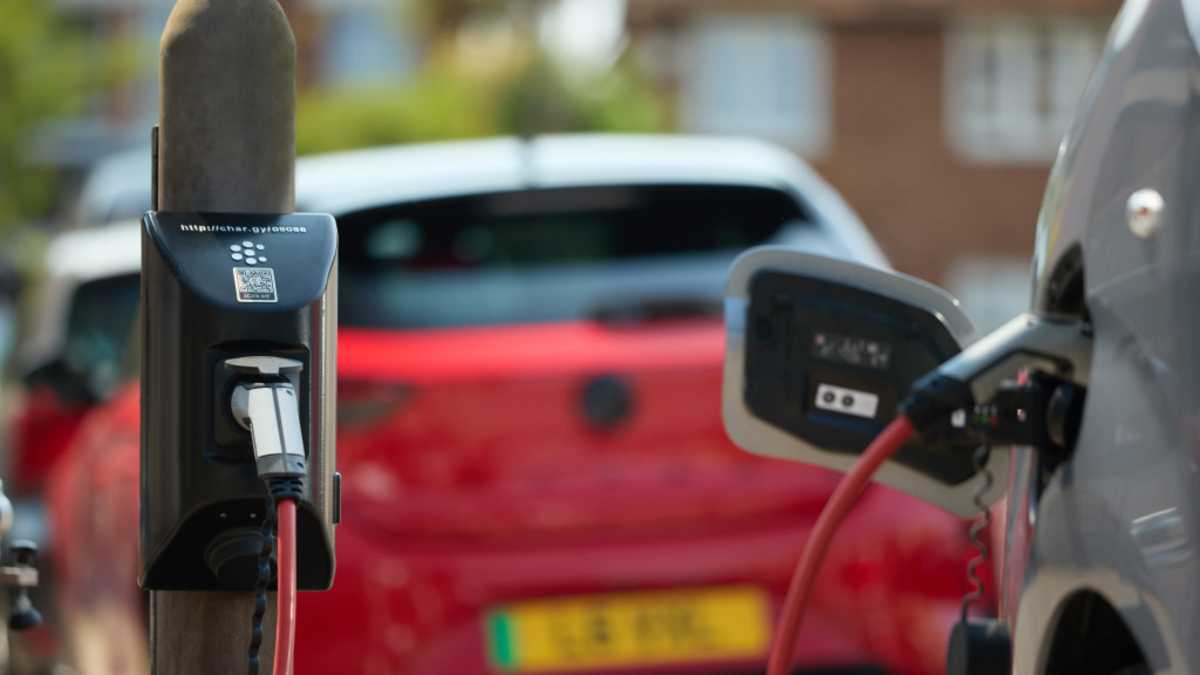
In a significant leap towards a greener future, the UK is setting the stage for an electric vehicle (EV) revolution with the unveiling of the largest curbside EV charger installation to date.
Thanks to a groundbreaking £130 million contract awarded to char.gy, a London-based charge point provider, Brighton and Hove will soon be home to 6,000 curbside EV chargers, marking a pivotal moment in the nation’s journey to electrify its roads.
This ambitious project, secured by char.gy, isn’t just about numbers.
It’s a bold statement of intent.
As John Lewis, char.gy’s chief executive, aptly put it, this initiative is more than an infrastructure upgrade—it’s a catalyst for change.
By ensuring that thousands of residents have easy access to EV chargers, Brighton and Hove City Council is not just embracing the future; it’s actively shaping it.
The strategic placement of Level 2 chargers curbside addresses a crucial hurdle for many potential EV adopters: the lack of convenient and affordable charging options.
With most UK drivers parking curbside, the installation enables them to take advantage of lower overnight rates, such as char.gy’s economical £0.39/kWh night tariff, compared to the pricier £0.59/kWh during the day.
This initiative not only makes EVs more appealing but also more financially viable for the average consumer.
The project’s significance is further underscored by its alignment with the UK government’s Local EV Infrastructure Fund.
By tapping into this fund, Brighton and Hove City Council is setting a precedent for other local authorities, demonstrating how government support and private enterprise can collaborate effectively to accelerate the transition to electric mobility.
Lilian Greenwood, the Future of Roads Minister, emphasized that accessibility is key to the success of the EV transition.
By making it as straightforward as possible for residents to charge their vehicles, these efforts are poised to erase one of the last significant barriers to widespread EV adoption.
With over 75,000 public EV chargers already operational across the UK, the nation is on track to meet its ambitious goal of 300,000 chargers by 2030.
This robust infrastructure is not just a testament to the UK’s commitment to a sustainable future but also a clarion call to the rest of the world: the shift to electric is not just coming, it’s here.
As the chargers begin to light up the streets of Brighton and Hove, they symbolize more than just a technological advancement.
They represent a community stepping boldly into a cleaner, more sustainable future, one charge at a time.
In a world where environmental challenges can feel insurmountable, projects like this serve as a powerful reminder that change is possible—and it starts right at our curbsides.
-
Frank DiBernardo handles LNGFRM's Foodie and Miscellaneous writing tasks. He's always getting ideas from users, so don't be afraid to send an email to the editor.