In an era dominated by the incessant drumbeat of subscriptions, where digital tools are leased rather than owned, and the very act of accessing basic functionality often feels like navigating a minefield of hidden fees and price-locked features, a quiet rebellion appears to be brewing.
It’s a subtle shift, perhaps, but one that speaks volumes about consumer fatigue with the prevailing software-as-a-service model.
And at the heart of this counter-movement lies a seemingly unassuming application that does something almost unheard of in today’s digital marketplace: it just works, and you only have to pay for it once.
For years, the professional and casual user alike have been held hostage by the PDF.
This ubiquitous file format, an inescapable part of modern communication, has long been guarded by gatekeepers demanding monthly ransoms for even the most rudimentary interactions.
Adobe Acrobat, a powerful suite no doubt, has become synonymous with this paradigm, forcing countless individuals and small businesses into recurring payment cycles simply to sign a document, make a quick edit, or convert a file.
The exasperation is palpable: why should the simple act of interacting with one of the most common file formats on the planet necessitate a perpetual drain on one’s finances?
Enter UPDF, a name that might not yet carry the weight of an industry titan, but one that is quickly becoming a beacon for those yearning for a return to a simpler, more equitable model of software ownership.
UPDF isn’t merely another PDF editor; it’s a statement.
It’s a deliberate pivot back to a time when software was a product, not a service – a tangible asset you acquired and owned, free from the specter of endless billing cycles.
Currently, this full-featured PDF powerhouse is offering a lifetime subscription for a mere $47.99, a stark contrast to its regular price of $149.99 and, more importantly, a direct challenge to the subscription-heavy status quo.
The very premise of UPDF feels like a breath of fresh air.
It understands that for most users, PDF interaction boils down to a few core tasks: reading, signing, and making minor adjustments.
Yet, it doesn’t skimp on capability.
This isn’t a stripped-down, budget alternative; it’s a robust tool designed to handle a comprehensive array of PDF needs.
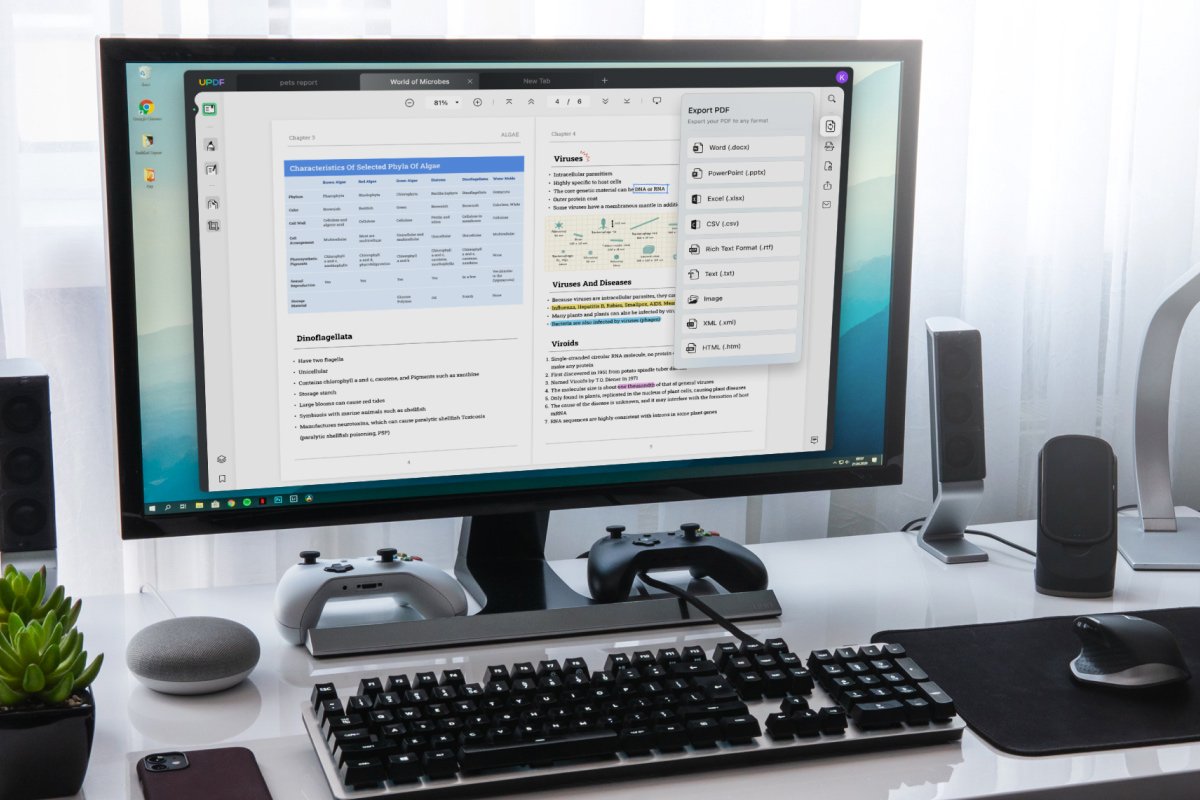
Users can seamlessly edit text and images, highlight crucial sections, annotate pages with ease, and convert files to popular formats like Word, Excel, or PowerPoint without the need for additional, disparate tools.
The interface itself is a testament to thoughtful design – clean, modern, and intuitive, banishing the clunky, menu-laden interfaces that often make PDF editing feel like a chore from the early 2000s.
All essential tools are logically placed, whether the task at hand involves drafting a contract, assembling a presentation, or batch processing dozens of documents simultaneously.
Beyond the basics, UPDF extends its utility to more complex demands.
The creation of fillable forms, the effortless rearrangement of pages, and the robust security features like encryption and password protection are all part of the one-time purchase.
For those grappling with scanned documents, the integrated Optical Character Recognition (OCR) feature is a game-changer, capable of recognizing and converting text in an impressive 38 languages, transforming static images into searchable, editable files in mere seconds.
This level of functionality, delivered under a single payment model, is indeed almost unprecedented in a market saturated with tiered subscriptions and premium add-ons.
Furthermore, UPDF embraces the multi-device reality of modern life.
It operates seamlessly across Windows, macOS, iOS, and Android platforms, ensuring that your work is accessible wherever you are.
A generous 2GB of UPDF Cloud storage keeps documents synced, fostering a truly flexible workflow.
It’s worth noting, with journalistic candor, that some advanced AI functionalities, such as document summarization and translation, are offered as separate add-ons.
However, this is a minor caveat when considering the extensive suite of core PDF management tools that are unequivocally included within that single, liberating purchase.
The emergence of applications like UPDF, offering a lifetime ownership model in defiance of the subscription tide, is more than just a pricing strategy; it’s a quiet revolution.
It speaks to a growing consumer desire for control, for genuine ownership in the digital realm, and for relief from the perpetual financial drain of recurring fees.
In a world where digital experiences are increasingly commodified and leased, UPDF offers a refreshing counter-narrative – a reminder that sometimes, the most innovative approach is simply to give people what they truly need, without holding their digital lives hostage.
It’s a model that, if embraced by more developers, could fundamentally reshape our relationship with the software we use every day, offering a tangible sense of value and permanence in an ephemeral digital landscape.
-
Frank DiBernardo handles LNGFRM's Foodie and Miscellaneous writing tasks. He's always getting ideas from users, so don't be afraid to send an email to the editor.