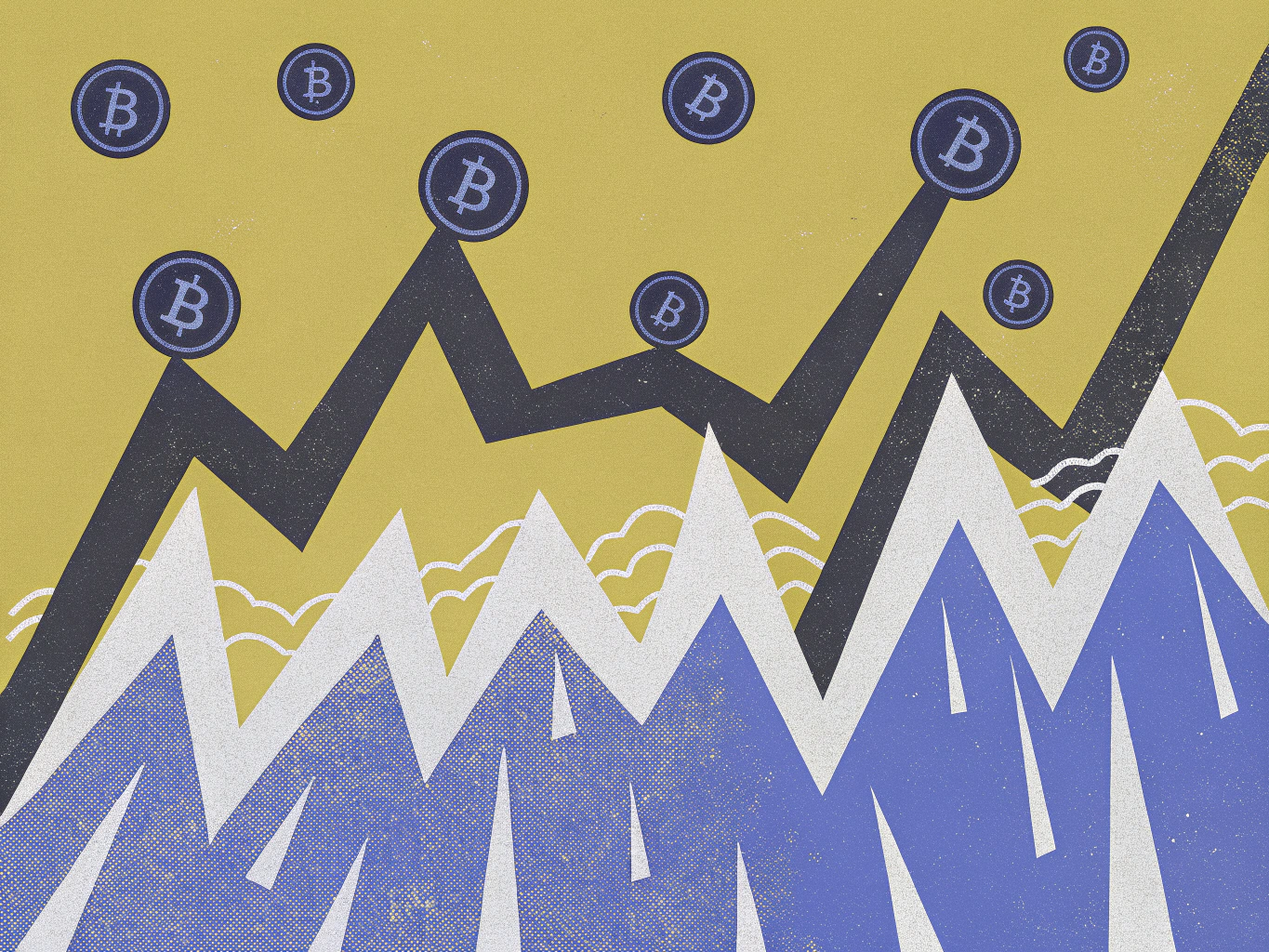
In the ever-evolving world of cryptocurrencies, Bitcoin continues to dominate headlines with its significant price movements and market influence.
As of May 10, Bitcoin’s price stands at an impressive $103,104.31, marking a 1.85% change in the past 24 hours, albeit with a slight dip of 0.2% in the last hour.
This digital currency, the brainchild of the enigmatic Satoshi Nakamoto, was introduced in 2008 as a libertarian alternative to traditional financial systems.
Its aim was to challenge established monetary institutions, a vision that has only gained traction over the years.
Bitcoin’s journey has been nothing short of a rollercoaster, with its value reaching unprecedented heights and, at times, experiencing significant lows.
The cryptocurrency hit a new historic high in late 2024, surpassing $107,000 per unit, following U.S. President Donald Trump’s announcement of plans to create a strategic reserve of digital currencies in the United States.
This move by the Trump administration underscored the growing importance of cryptocurrencies in national economic strategies and sent a strong signal to the market, reinforcing investor confidence.
The dynamics of the cryptocurrency market are intriguing, often reflecting broader economic trends and technological advancements.
The introduction of China’s new artificial intelligence model, DeepSeek, recently caused a ripple effect, leading to a decline in Bitcoin and other cryptocurrencies across various stock exchanges.
This highlights the interconnectedness of technology and digital assets, as innovations in one area can have immediate repercussions in another.
The rising interest in cryptocurrencies isn’t just driven by speculative trading but also by a substantial inflow of capital seeking refuge from global economic uncertainties.
In March of the previous year, Bitcoin managed to set another record, reaching close to $73,000.
This achievement was buoyed by an unprecedented influx of investments into digital currencies, signifying a burgeoning confidence among investors in these assets.
According to Bloomberg analysts, several factors have fueled this surge, including institutional adoption of cryptocurrencies, the search for alternative investments amidst economic instability, and the relentless innovation within blockchain technology.
Such a confluence of factors has cultivated a fertile ground for Bitcoin’s sustained growth, showcasing its resilience and appeal in the face of volatility.
The cryptocurrency’s impact is not confined to its own valuation; it has a cascading effect on the entire digital asset market, enhancing stability and visibility across the board.
As more institutional players enter the fray, the perceived legitimacy and security of cryptocurrencies continue to strengthen.
For those looking to dive into the world of Bitcoin, acquiring and trading these digital currencies involves navigating specialized online platforms.
The value of Bitcoin is subject to rapid changes, influenced by supply, demand, and miner engagement.
Consequently, its valuation can fluctuate more swiftly than that of traditional currencies.
This volatility, while alluring, presents a double-edged sword for investors.
The potential for significant gains is matched by the risk of steep losses, necessitating a clear understanding and acceptance of the inherent risks involved.
To securely manage Bitcoin and other cryptocurrencies, users rely on digital wallets—software applications that facilitate the storage, transfer, and transaction of these digital assets.
These wallets don’t actually store the cryptocurrencies themselves but rather the cryptographic keys that confer ownership and rights over them.
The security of these keys is paramount, as they are the true markers of possession in the digital realm.
As we look ahead, the landscape of cryptocurrencies promises to be an exciting one, with Bitcoin at the forefront.
The interplay between technological advancements, regulatory developments, and market sentiment will undoubtedly continue to shape its trajectory.
Whether as a hedge against inflation, a tool for financial independence, or a speculative asset, Bitcoin remains a subject of fascination and an emblem of the digital age’s transformative potential.
As the world becomes increasingly digital, the role of cryptocurrencies like Bitcoin in our financial ecosystems is poised to grow, inviting both opportunities and challenges for investors and regulators alike.
-
Frank DiBernardo handles LNGFRM's Foodie and Miscellaneous writing tasks. He's always getting ideas from users, so don't be afraid to send an email to the editor.